Category: Directory

  • Wethersfield Country Club

    Wethersfield Country Club

    [put_wpgm id=”2″ width=”100%” height=”770px” current_post_only=”true”]

    [letsreview]

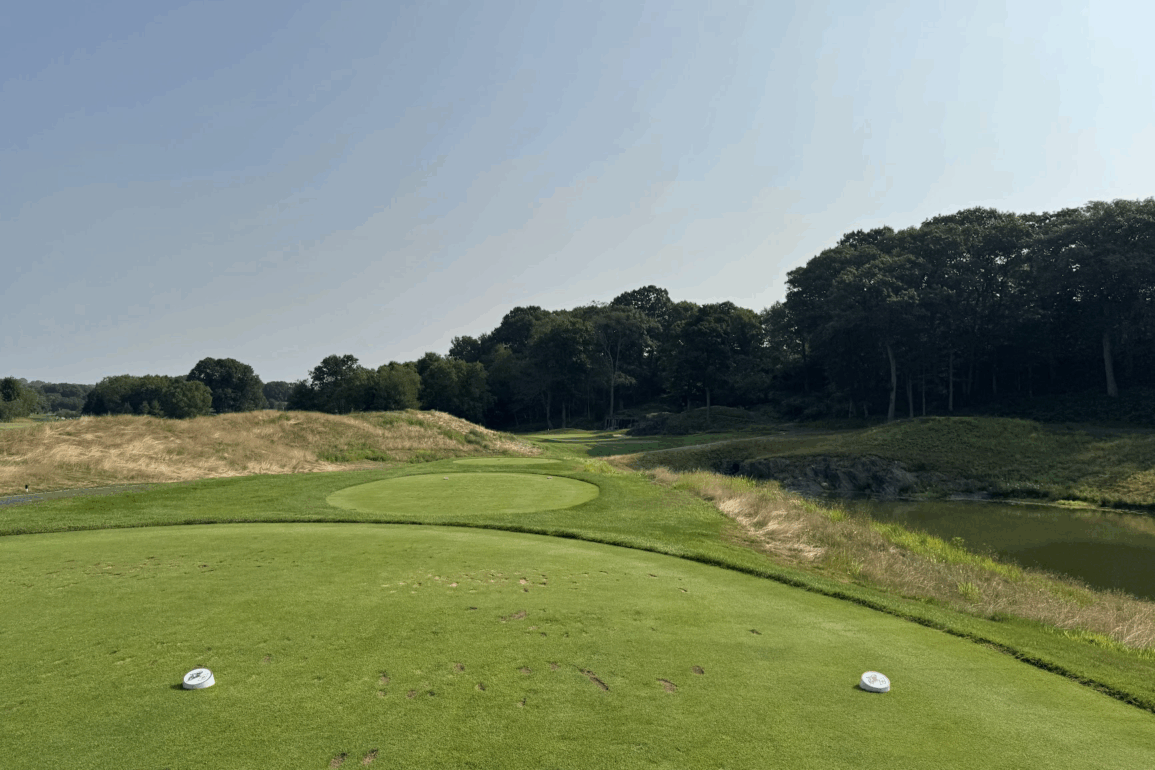
    Wethersfield Country Club is a private par-71 course measuring approximately 6,614 yards from the tips. The course was originally designed in 1916 by Robert D. Pryde and is located in Wethersfield, Connecticut.

    Wethersfield Country Club holds the distinction of perhaps the richest golf history in southern New England, having served as the host venue for the Insurance City Open and Greater Hartford Open for 32 consecutive years from 1952 through 1983. The inaugural tournament in 1952 saw Ted Kroll claim victory, launching a legendary run that included Arnold Palmer’s first PGA Tour win in the United States in 1956, Sam Snead’s record seven-stroke victory in 1955, and Tommy Bolt’s course-record 60 in 1954. The layout witnessed Billy Casper win four times and featured nearly every major professional of the era with only Ben Hogan and Byron Nelson notably absent from tournament play. Robert D. Pryde, who would later become the first Executive Director of the Connecticut State Golf Association, crafted the design in two phases, with the inside nine opening in 1917 and the outside nine completing the championship layout in 1925. The course underwent a comprehensive bunker renovation in 2022-2023 under the direction of architect Bruce Hepner, restoring strategic bite to hazards that had fallen into disrepair while maintaining the historic character of the original design. Spanning approximately 150 acres across rolling terrain south of Hartford, the routing winds through mature tree-lined corridors framed by residential boundaries, creating individual stages for each hole that provide both visual isolation and strategic variety. The traditional parkland design rewards precision over power, with narrow driving corridors demanding accuracy from the tee and smaller, subtly contoured greens requiring deft touch on approach shots. Players who appreciate Golden Age architecture and strategic shot-making over forced carries and modern manufactured hazards will find the layout particularly engaging, while those seeking generous landing areas and forgiving recovery zones may find the demands more exacting than contemporary private club standards.

    Strategic Test

    HandicapCourse Strategy
    High Handicap (18+)From the White tees measuring 5,717 yards with a slope of 125 and rating of 68.7, higher handicappers face a manageable yet still challenging examination that prioritizes course management over heroics. The reduced yardage brings more holes within reach of regulation in two or three shots, though the tree-lined corridors still demand reasonable accuracy to avoid penalty situations. The par-5 6th hole measures approximately 510 yards from these tees, offering a legitimate three-shot hole where steady play with fairway wood off the tee, mid-iron to position, and wedge approach rewards patience over aggression. Strategic bunker placement penalizes wayward drives while leaving recovery options for players willing to accept laying up short of trouble. The slope differential suggests approximately 5-7 additional strokes compared to scratch play, making target scores in the mid-to-high 90s realistic for this bracket when executing their usual game without major penalties.
    Mid Handicap (8-18)The Blue tees at 6,289 yards with a slope of 127 and rating of 70.5 present the classic examination Pryde intended, requiring both tactical awareness and solid ballstriking to navigate successfully. At this yardage most par-4s require driver or strong fairway wood followed by mid-to-long irons, while the three par-5s offer genuine risk-reward scenarios for players capable of executing fairway wood approaches. The 18th hole, measuring 423 yards from the Black tees and approximately 395-405 from the Blues, serves as an ideal strategic test for this caliber player, demanding a well-positioned tee shot to set up a mid-iron approach to a subtly contoured green that rejects poorly flighted shots. The closing hole typically plays driver or 3-wood followed by 5 or 6-iron depending on pin position and wind, with bunkers framing the approach and requiring precision rather than power to find the proper quadrant. The slope rating suggests approximately 3-4 strokes over course rating for mid-handicappers, targeting rounds in the low-to-mid 80s when playing to handicap.
    Low Handicap (0-8)From the championship Black tees at 6,614 yards with a slope of 130 and rating of 72.0, accomplished players face a stern examination that tests every facet of their game without overwhelming through excessive length. The modest total yardage by modern standards belies the strategic demands, as narrow corridors eliminate the aerial bailout strategies common at longer courses and smaller greens punish approaches lacking proper trajectory and spin control. The par-5 6th hole at 585 yards presents the course’s longest challenge, requiring driver to a tightly framed landing area followed by fairway wood or long iron into a green complex where bunker positioning severely penalizes anything but precisely flighted approaches. Better players will likely hit driver followed by 3-wood or 2-iron, depending on conditions, with the green accepting only properly shaped shots that work right-to-left into the prevailing contours. With a slope in the 130 range, low handicappers should target rounds at or slightly below the 72.0 rating, making pars precious and birdies earned rather than gifted.

    Nearby Course Alternatives

    Indian Hill Country Club in Newington sits approximately 8 minutes southwest of Wethersfield and offers a markedly different strategic examination on comparable acreage. Originally designed by John Duncan Dunn in 1899 and significantly revised by Robert Jack Ross in 1924, with additional touches by Robert D. Pryde in 1912, the 6,513-yard par-72 layout features more pronounced terrain movement than its neighbor, with elevation changes creating both downhill and uphill approaches that demand precise distance control. The slope rating of 134 and course rating of 71.8 from the tips suggest greater scoring difficulty than Wethersfield, primarily driven by more severe green complexes and tighter driving corridors through dense tree lines. The routing across approximately 120 acres showcases traditional New England architecture with meandering fairways, undulating greens touched by Ross’s characteristic diagonal hazard placement, and native grasses framing playing corridors that reward strategic positioning over pure distance. Members consistently cite the green surfaces as among the finest in Connecticut, providing true roll and accepting only properly struck approaches, while the shorter overall yardage compared to modern championship layouts emphasizes accuracy and local knowledge over power. Indian Hill particularly suits the mid-to-low handicap player who values traditional architecture, understands how to work the ball both directions to match green contours, and appreciates courses where scoring requires precise iron play rather than overpowering par-5s with aerial approaches. The more compact property creates tighter playing corridors that may frustrate higher handicappers seeking wider margins for error, though recent tree removal initiatives have opened sightlines and improved recovery options without sacrificing strategic integrity.

    Hartford Golf Club in West Hartford, located approximately 12 minutes west of Wethersfield, presents an entirely distinct experience through its 27-hole configuration originally crafted by Devereux Emmet and Donald Ross in 1914. The club’s three nine-hole courses combine into three different 18-hole rotations, with the Red-Blue combination stretching to approximately 6,610 yards at par-71 with a slope of 137 and rating of 72.2, while the Red-Green pairing measures 6,589 yards with a slope of 135. Spread across approximately 200 acres of rolling parkland northwest of downtown Hartford, the property showcases more pronounced elevation changes than Wethersfield, with fairways gliding downhill and back uphill through corridors of mature maples, oaks, and specimen trees that create distinct playing zones. Bruce Hepner’s comprehensive 2017-2018 renovation restored architectural intent by reshaping 132 bunkers to provide visual intimidation and strategic teeth while expanding greens and rebuilding tees to accommodate modern equipment without sacrificing classical routing principles. The combination of Golden Age pedigree, variety offered through multiple nine-hole combinations, and significantly higher slope ratings creates a more demanding examination for accomplished players, particularly from elevated or downhill lies requiring precise trajectory control. Hartford Golf Club particularly appeals to the low-handicap player who seeks variety through multiple course combinations, appreciates the opportunity to play Donald Ross greens with their characteristic false fronts and subtle interior contours, and values the elevated conditioning standards that come with extensive recent capital improvements. The steeper terrain and more severe green complexes may prove less forgiving for higher handicappers compared to Wethersfield’s gentler parkland routing, though the multiple tee boxes provide appropriate yardages across all skill levels.

    Final Word

    Beyond the championship layout, Wethersfield Country Club provides members and their guests with comprehensive practice facilities befitting its competitive heritage, including a spacious grass driving range that accommodates extended sessions when turf conditions permit, a large putting green for reading subtle breaks similar to those found on course, and dedicated chipping and short game areas that allow focused wedge work around green complexes. The clubhouse anchors the property with traditional New England understatement, featuring a formal dining room that overlooks the course, a full-service bar with comfortable seating for post-round conversation, traditional locker rooms with shower facilities, and a well-appointed pro shop offering equipment, apparel, and professional instruction through PGA-certified staff. The ballroom spaces accommodate member functions ranging from casual gatherings to formal events, with the versatile layout capable of hosting weddings, corporate outings, and milestone celebrations against the backdrop of manicured fairways and specimen trees. What distinguishes Wethersfield from peer institutions throughout Connecticut is the tangible connection to professional golf history that permeates every corner of the property, from the first tee plaque listing all Insurance City Open and Greater Hartford Open champions to the understated reminders throughout the clubhouse of the legendary players who competed here during the tournament’s 32-year run. The course proves its enduring value not through manufactured difficulty or excessive length, but through strategic demands that reward local knowledge, precise iron play, and thoughtful course management over raw power. The 2022-2023 bunker renovation ensures the layout will continue testing players for decades to come, maintaining strategic relevance without resorting to unnecessary modernization that would erase the Golden Age character Pryde embedded in the routing over a century ago.

  • Westwoods Golf Club

    Westwoods Golf Club

    [put_wpgm id=”2″ width=”100%” height=”770px” current_post_only=”true”]

    [letsreview]

    Westwoods Golf Club is a public par-61 course measuring approximately 4,407 yards from the tips. The course was originally designed in 1964 by Geoffrey S. Cornish and is located in Farmington, Connecticut.

    Westwoods Golf Club opened its doors in 1964 as one of prolific architect Geoffrey Cornish’s many contributions to accessible public golf in New England. The Canadian-born designer, who trained under the legendary Stanley Thompson and went on to design over 200 courses, created Westwoods with his characteristic philosophy of building playable, maintainable layouts that prioritized getting people on the course rather than creating monuments to ego. The facility appears to occupy roughly 80 to 100 acres in the southwestern corner of Farmington, nestled within a country setting that provides a respite from the surrounding suburban development. The routing demonstrates Cornish’s practical approach to working with available terrain, featuring modest elevation changes that add visual interest without creating punishing forced carries or exhausting climbs. The par-61 configuration includes just two par-5s and two par-4s, with the remaining 14 holes being par-3s of varying length, creating an unusual but strategically compelling examination of iron play and course management. This compressed format rewards precision over power, making it particularly appealing to players who value shot-making and creative scoring over brute force. The bent grass surfaces on both greens and fairways provide consistent playing conditions, while the straightforward design aesthetic emphasizes function over ornamentation, a hallmark of Cornish’s democratic approach to the game. Players who enjoy thinking their way around a course, mid-handicappers looking to work on their short game, and anyone seeking a quicker round without sacrificing strategic depth will find Westwoods offers compelling golf.

    Strategic Test

    HandicapCourse Strategy
    High Handicap (18+)From the forward Red tees at 3,597 yards with a course rating of 61.3 and slope of 104 for men, higher handicappers face a manageable challenge that still demands solid iron play. The slope rating suggests the course becomes moderately more difficult for less skilled players than the raw yardage indicates, as precision matters more than distance here. The 10th hole serves as an excellent strategic puzzle at 420 yards from the tips, playing as one of only two par-4s on the course. This hole rewards controlled tee shots with fairway wood or hybrid to avoid trouble, followed by a mid-iron approach that must find the proper tier on what is likely a multi-level green. The scoring opportunity exists for bogey golfers who can manage their expectations and play to the center of greens rather than hunting flags.
    Mid Handicap (8-18)Playing from the White tees at 4,407 yards yields a course rating of 60.8 with a slope of 93, indicating the layout plays relatively straightforward for competent players while still requiring tactical awareness. The compressed slope rating relative to par suggests that course management trumps raw skill differentials, meaning smart play gets rewarded more than pure ball-striking. The opening hole presents itself as the defining strategic challenge, a 494-yard par-5 that represents one of only two opportunities to reach a par-5 in regulation. Mid-handicappers must decide whether to challenge this reachable par-5 with driver off the tee or lay back, then navigate what likely amounts to a three-shot hole that demands precise distance control with mid-irons. The prevalence of par-3s throughout the round creates multiple birdie opportunities while also introducing potential disaster if iron play falters.
    Low Handicap (0-8)Championship tees at 4,407 yards with a 60.8 rating and 93 slope present a unique examination of precision play, as the relatively benign slope rating indicates that better players should navigate the layout comfortably if they execute properly. The scoring potential exists in abundance, with 14 par-3 holes offering birdie chances for players with dialed-in yardages and confidence in their iron game. The 9th hole at 235 yards from the tips provides the ultimate test of long-iron control, playing as the longest par-3 on the course and demanding a confident strike to find what is likely a well-protected green surface. Low handicappers who can control trajectory and spin will feast on the shorter par-3s while needing to convert the two par-5s to stay ahead of their handicap. The absence of length-induced difficulty shifts the entire strategic framework toward accuracy, green-reading, and wedge play within 100 yards.

    Nearby Course Alternatives

    Tunxis Country Club – White Course in Farmington presents the most obvious alternative for public golfers seeking a more traditional examination just minutes from Westwoods. Located approximately 5 minutes northeast along Town Farm Road, this Al Zikorus design from 1962 stretches 6,638 yards to a par of 72 with a course rating of 71.3 and slope of 124, occupying an estimated 150 acres along the Farmington River. The White Course represents New England public golf at its most strategic, featuring multiple island and peninsula greens that demand precise approach play with water constantly in play on the back nine. Where Westwoods emphasizes iron play through its par-3 heavy routing, Tunxis tests the complete arsenal with demanding tee shots along tree-lined corridors and approach shots to greens perched on or near water. The elevation changes prove more dramatic than Westwoods, with several holes playing significantly uphill or downhill, adding complexity to club selection. Zikorus brought a more manufactured aesthetic to his design compared to Cornish’s understated approach, incorporating more dramatic green complexes and hazard framing that heightens both risk and reward. The pedigree includes hosting numerous regional amateur events, establishing its reputation as one of Connecticut’s premier public facilities. Players who prefer longer clubs in their hands, enjoy navigating water hazards, and appreciate more dramatic green contours will gravitate toward Tunxis over Westwoods. The additional 2,200 yards and higher slope rating make it the clear choice for better players seeking a sterner examination, while the riverside setting provides more visual drama throughout the round.

    Rockledge Golf Club in West Hartford offers another compelling public option roughly 10 minutes southeast in the heart of Connecticut’s capital region. Designed by Al Zikorus and opened in 1940, this 6,436-yard par-72 layout carries a course rating of 71.1 with a slope of 129, making it the most difficult of the three courses discussed while occupying approximately 120 acres of the original estate property. The course’s history dates to 1924 when Yale alumnus Wilton W. Sherman created the initial 14-hole layout, with expansion to 18 holes coming in 1927 before the town acquired the property in 1960. Rockledge’s championship pedigree includes recognition as one of New England’s finest public courses and perennial honors from Hartford Magazine, with large, severely sloped greens presenting the primary defense alongside strategic bunkering. The bent grass surfaces and meticulous conditioning set it apart from many municipal facilities, with significant topographical variation creating both dramatic elevation changes and strategic interest throughout the round. Where Westwoods prioritizes shot-making within a compressed yardage framework and Tunxis emphasizes water hazard navigation, Rockledge demands length combined with precision, particularly on approach shots to greens that all slope predominantly front to back. The architectural pedigree and historical significance attract serious players seeking tournament-quality conditions and a layout that has stood the test of time. Players who value championship pedigree, appreciate testing green complexes, and prefer courses with significant elevation variation will find Rockledge offers the most complete examination, though at roughly 2,000 yards longer than Westwoods, it represents a notably different strategic challenge and time commitment.

    Final Word

    Beyond the 18 holes of golf, Westwoods provides a comprehensive practice facility anchored by a substantial 24,000-square-foot putting green that allows players to work on pace and break before their round or as a standalone practice session. The driving range features a mix of both artificial and natural grass hitting stations, offering flexibility for players who prefer either surface and enabling year-round operation even as weather deteriorates. A practice bunker allows for short game work, though the facility does not appear to offer an extensive short game complex with multiple greenside practice areas. Carol’s Lunchbox restaurant operates as the on-site dining option, providing both quick snacks and full meals with the kind of approachable menu that serves daily play rather than trying to be something it is not. The pro shop stocks necessary equipment and apparel while offering private instruction from PGA professionals for players looking to improve their games. Recent additions to the property include eight dedicated pickleball courts, a splashpad for family recreation, and a versatile pavilion for gatherings, demonstrating the facility’s evolution into a true community recreation center beyond pure golf. Youth camps and leagues run throughout the season, contributing to the next generation of golfers while creating a sense of community among regular players. The 2026 introduction of an expanded golf cart fleet signals ongoing investment in the player experience, while seven-day online tee time booking adds convenience for modern consumers. What makes Westwoods special among Connecticut public courses is its honest presentation of golf as a strategic endeavor divorced from artificial difficulty or excessive length, honoring Geoffrey Cornish’s vision of creating accessible layouts that reward thought over athleticism. The unusual par-61 configuration forces players to recalibrate their approach to course management, valuing precision iron play and conservative decision-making over aggressive driving and approach strategy. The facility proves its value not through championship pedigree or dramatic landscape features but through providing consistent conditioning, strategic interest within its constraints, and efficient pace of play for golfers who understand that great golf need not consume five hours or demand 7,000 yards to test skill and generate satisfaction.

  • Western Hills Golf Course

    Western Hills Golf Course

    [put_wpgm id=”2″ width=”100%” height=”770px” current_post_only=”true”]

    [letsreview]

    Western Hills Golf Course is a public par-72 course measuring approximately 6,356 yards from the tips. The course was originally designed in 1960 by William F. Gordon and is located in Waterbury, Connecticut.

    William F. Gordon established his independent practice in 1950 after working with the esteemed Toomey and Flynn firm and building courses for Donald Ross. Western Hills represents his sole public-access design in Connecticut, a notable counterpoint to his most celebrated work at The Stanwich Club in Greenwich, which has been ranked among the nation’s top 100 courses. The course opened for play in fall 1960 and underwent a thoughtful renovation in 2007 by architect Stephen Kay, whose work focused on strategic bunkering modifications and drainage improvements while respecting Gordon’s original design intent. The property encompasses approximately 150 acres of rolling terrain characteristic of western Connecticut’s glacially sculpted landscape. The routing follows a classic out-and-back configuration, threading through corridors framed by mature hardwoods and conifers that define strategic lines of play. Gordon’s design philosophy, heavily influenced by Robert Trent Jones principles, emphasizes precision from the tee and demanding approach shots into greens protected by strategic bunkering. The course presents a thinking player’s test rather than a overpowering one, rewarding position over distance and requiring careful club selection given the substantial elevation changes throughout. Players who appreciate strategic placement, elevation-dependent shot-making, and greens that demand respect for proper entry angles will find Western Hills an engaging examination of their complete skill set.

    Strategic Test

    HandicapCourse Strategy
    High Handicap (18+)From the forward tees at 5,237 yards with a rating of 68.8 and slope of 118, the course presents manageable length but demands accuracy through tree-lined corridors. The slope suggests high-handicap players will face scoring challenges primarily from elevation changes and green protection rather than pure distance. Strategic elements include avoiding forced carries over hazards and keeping drives within the generous but tree-bordered fairways. Hole 12, a par-4 measuring 314 yards from the championship tees, offers the ideal opportunity for success. This shorter two-shotter rewards course management, allowing mid-to-short irons off the tee to find position before attacking the green. The abbreviated length removes driver-related dispersion from the equation while still requiring solid iron play into a well-defended green complex.
    Mid Handicap (8-18)The white tees at 6,136 yards carry a rating of 69.5 and slope of 127, providing appropriate challenge for mid-handicap golfers who can work the ball both ways. Strategic elements include navigating Gordon’s preference for precision tee shots where fairway bunkers frame ideal landing zones. The elevated slope rating relative to par indicates that green complexes and undulating terrain create scoring difficulty beyond simple yardage. Players must balance aggressive lines with conservative bailout areas, particularly on holes where greens sit elevated or feature severe contours. Hole 8, measuring 397 yards from the tips, exemplifies mid-handicap examination. This demanding par-4 features the number one stroke index, requiring a controlled tee shot followed by a precise mid-iron approach to an elevated green protected by bunkers. The hole rewards thoughtful placement over power, with premium positioning in the fairway opening preferred angles into the putting surface.
    Low Handicap (0-8)From the championship tees at 6,356 yards with a rating of 70.5 and slope of 129, accomplished players face a layout that demands complete shot-making repertoire. Strategic elements center on Gordon’s design principle of precision driving, with narrow fairway corridors and strategic bunkering punishing wayward tee shots. The modest rating relative to par indicates that length alone provides no advantage without accuracy and precision iron play. Low-handicap players must manufacture shot shapes around doglegs, manage elevation-adjusted distances, and execute precise approaches into firm, contoured greens with severe false fronts. Hole 7, a par-5 measuring 540 yards, represents the quintessential strategic examination. This three-shot hole rewards aggressive but calculated play, with positioning off the tee critical to accessing favorable layup zones. The green complex features bunkers on both sides, demanding precise trajectory control and spin management on the approach. Accomplished ball-strikers can attack in two with proper wind assessment, while the lay-up game requires exacting distance control to avoid awkward wedge yardages.

    Nearby Course Alternatives

    The Golf Club at Oxford Greens in Oxford presents a compelling alternative approximately 15 minutes south of Western Hills. Designed by Mark Mungeam and opened in 2005, Oxford Greens stretches to 7,186 yards from the championship tees with a rating of 74.8 and slope of 135, positioning it as a significantly longer and more demanding test. The course occupies roughly 200 acres routed through woodland west of Naugatuck State Forest, featuring bent grass surfaces throughout and dramatic elevation changes that exceed those at Western Hills. Mungeam’s design philosophy pays homage to classical architecture on modern scale, incorporating template holes including a Redan par-3 at the 185-yard 13th. The strategic value lies in the course’s requirement for both power and precision, with narrow driving corridors through forest giving way to expansive fairway corridors in open meadowland. Notable architectural features include the 218-yard par-3 2nd, which plays fifty feet downhill with water and sand framing the left side, and the 170-yard 16th, both teeing area and green benched into a hillside demanding laser precision. The undulating terrain creates blind and semi-blind approach shots that reward course knowledge and aggressive line selection. Players who prioritize modern championship-caliber architecture, prefer dramatic elevation changes, and possess the length to handle 7,000-plus yards will find Oxford Greens more engaging than Western Hills’ comparatively restrained dimensions and traditional parkland character.

    Hop Brook Golf Course in Naugatuck offers a contrasting nine-hole experience located approximately 10 minutes southeast of Western Hills. This municipal layout measures 2,887 yards for 18 holes with a rating of 66.6 and slope of 112, presenting significantly reduced length but concentrated strategic interest on compact acreage of approximately 60 acres. Originally opened in 1923, the course features rolling terrain through the first five holes before flattening over the closing stretch, with pitched greens demanding precise trajectory control despite abbreviated yardages. The strategic value centers on exacting iron play rather than driver management, with the course rewarding players who flight wedges and short irons to specific quadrants of small, contoured putting surfaces. Notable holes include the par-4 8th at 402 yards, which features a rippling fairway and green concealed behind a substantial berm, and the par-5 6th at 490 yards, a legitimate three-shot hole with a dogleg right. The routing’s tumbling landscape through holes one through five creates substantial elevation change despite the abbreviated overall length, while several par-3s from elevated tees demand club-up precision. Historical significance includes the course being the home track of 1931 U.S. Open champion Billy Burke, lending architectural pedigree beyond its modest municipal classification. Players who value short-game examination over driver prowess, prefer walking-friendly layouts, and seek concentrated strategic interest in abbreviated playing time will find Hop Brook more appealing than Western Hills’ full-length examination and more expansive property.

    Final Word

    Western Hills maintains a complete practice facility including dedicated putting and chipping areas that provide adequate preparation before rounds, though no dedicated driving range exists on property. The indoor teaching facility allows for year-round instruction and club fitting services through the professional staff. Verdie’s restaurant and bar, housed within the clubhouse, has earned recognition as one of Connecticut’s superior 19th-hole destinations, offering full-service dining and banquet capabilities that extend the facility’s utility beyond pure golf operations. The pro shop maintains comprehensive inventory of equipment and apparel, while locker and shower facilities provide traditional country club amenities within the public-access framework. Tournament and outing infrastructure supports competitive play and group events, with the course hosting the annual Western Hills Open that draws regional participation. The property’s commitment to course conditioning, evidenced by Stephen Kay’s drainage-focused renovation work, ensures playability throughout Connecticut’s variable spring and fall seasons when lesser facilities struggle with wet conditions. What distinguishes Western Hills is its architectural pedigree as William F. Gordon’s only public-access design in Connecticut, offering everyday players exposure to the same design principles that established Stanwich Club’s national reputation. The routing’s natural elevation changes and strategic bunkering provide examination of complete shot-making skills without artificial difficulty or contrived hazards. For golfers seeking traditional parkland architecture emphasizing precision over power, Western Hills delivers sophisticated strategic interest within a municipal framework, proving that thoughtful design transcends green fee classifications.

  • Wee Burn Country Club

    Wee Burn Country Club

    [put_wpgm id=”2″ width=”100%” height=”770px” current_post_only=”true”]

    [letsreview]

    Wee Burn Country Club is a private par-72 course measuring approximately 7,040 yards from the tips. The course was originally designed in 1925 by Devereux Emmet and is located in Darien, Connecticut.

    The club traces its roots to 1896 when George Strath from St Andrews laid out a 6-hole course on forty-eight acres of leased farmland, with three additional holes soon added to create a 9-hole layout. When space constraints prevented expansion to a full 18-hole course, the club acquired a 230-acre site in 1923 and commissioned Devereux Emmet to design an entirely new layout. Emmet unveiled his creation two years later, and members were delighted to discover that Stony Brook, affectionately known as the wee burn, wound through the new property just as it had at the original site. The club’s name came from industrialist Andrew Carnegie, who suggested the Scottish term for the small stream that flows throughout the property. Gene Sarazen officially opened the course, and the USGA showed immediate favor by selecting Wee Burn to host three US Women’s Amateur Championships, won by Betty Jameson in 1939, Ann Quast in 1958, and Martha Wilkinson in 1970. In recent years, Tom Fazio conducted significant modifications, renovating more than 3,000 yards of stream and lake banks, while Ron Forse led a 2018-2019 restoration project to recapture historical features while modernizing certain aspects of the design. The club has also undertaken extensive tree removal to allow the course to play closer to Emmet’s original intent and improve conditioning. Spread across approximately 230 acres, the parkland layout features rolling terrain with significant elevation changes on several holes, particularly where the 9th, 10th, and 18th holes play up, away from, and back to the clubhouse on a considerable slope. The routing demonstrates Emmet’s skill at working with natural features, as the burn and various ponds come into play on multiple holes, including one completely island green. Tree-lined fairways frame playing corridors, and small, elevated green complexes surrounded by mounding and bunkers demand precision on approach shots. The strategic design rewards players who can execute their shots correctly while providing scoring opportunities, making it an ideal test for accomplished players who appreciate Golden Age architecture and demanding green complexes.

    Strategic Test

    HandicapCourse Strategy
    High Handicap (18+)From the Gold tees at 5,717 yards with a 134 slope and 69.0 rating, high handicappers face a manageable yet engaging test that emphasizes course management over raw distance. The combination of slope and rating suggests players in this bracket should budget approximately 24-28 strokes above par for their round. The strategic emphasis centers on avoiding penalty areas, particularly the wee burn that meanders through multiple holes, and laying up short of bunkers that protect narrow approach angles. The 6th hole, a par-5 measuring 587 yards from the championship tees but playing considerably shorter from forward markers, exemplifies the scoring opportunities available when position trumps power. This signature hole plays from an elevated tee down toward two ponds with a dogleg left, featuring out-of-bounds that can catch both slices and hooks. High handicappers should consider using fairway woods off the tee for accuracy, laying up short of the water on the second shot, then executing a manageable wedge to a small green surrounded by sand and mounding. The hole rewards smart club selection and discipline over aggressive play.
    Mid Handicap (8-18)The Green tees at 6,561 yards present a 142 slope and 72.7 rating, creating a formidable challenge that should result in scores ranging from 84-94 for players in this bracket. The increased slope relative to yardage indicates that Wee Burn’s difficulty derives more from precise execution requirements than sheer length. Mid-handicappers must navigate tree-lined corridors that penalize offline tee shots, while elevated and heavily bunkered greens demand accurate approach play. The strategic equation revolves around finding fairways with controlled drives, then calculating approach distances carefully given the prevalence of mounding and false fronts. The 6th hole at 587 yards becomes genuinely reachable in two shots for longer players in this category, though the risk-reward calculation must account for the two ponds guarding the fairway and the out-of-bounds flanking both sides. The optimal strategy involves a driver to reach the corner of the dogleg around 240-260 yards, avoiding the right-side bunkers, then either laying up to 100 yards or attempting to clear the water with a fairway wood or hybrid from approximately 220-240 yards out. The small, undulating green demands precision, particularly with back-to-front slope that can reject approaches landing short or long.
    Low Handicap (0-8)From the Black tees at 7,040 yards with a 146 slope and 75.3 rating, Wee Burn presents one of Connecticut’s sternest examinations, with single-digit players facing a course that should play 3-11 strokes over par. The championship setup emphasizes driving accuracy into tree-lined corridors, precise distance control to small, elevated greens averaging under 5,000 square feet, and exceptional putting on some of the fastest and most contoured surfaces in the region. The strategic test demands shot variety, as some holes reward aggressive play while others penalize anything less than perfect execution. The 6th hole at 587 yards represents the signature risk-reward scenario, featuring a tee shot that must carry approximately 240 yards to reach ideal position while avoiding fairway bunkers and out-of-bounds on both sides. Low handicappers capable of executing a controlled draw can attempt to reach the green in two, requiring a precise long iron or fairway wood from 220-240 yards over water to a shallow target surrounded by sand, mounding, and collection areas. The alternative three-shot strategy involves laying up to 100 yards, but given the green’s small size and severe undulation, wedge play must be precise to access favorable pin positions. The hole exemplifies Emmet’s strategic architecture, where both aggressive and conservative approaches remain viable depending on conditions and the player’s confidence level.

    Nearby Course Alternatives

    Stanwich Club in Greenwich, approximately 15 minutes south of Wee Burn, offers another elite private club experience with a distinctly different architectural pedigree and playing characteristics. Originally designed by William and David Gordon in 1964 and substantially modified by Tom Fazio beginning in 2002, the course measures 7,445 yards from the championship tees with a 145 slope and 76.6 rating. The relatively flat parkland layout is routed across former farmland and reclaimed swampland, creating a different topographical challenge than Wee Burn’s rolling terrain. Spread across approximately 180-200 acres, Stanwich features water hazards on half its holes, mature trees lining fairways, and some of the fastest, most fiercely contoured greens in the Metropolitan area. The strategic value lies in precise driving to avoid water and bunkers, then executing exacting approach shots to tiny, elevated targets that can measure under 4,000 square feet. Recent renovations by Fazio and his associate Tom Marzolf have softened some severity while adding low-cut collection areas and improving shotmaking variety, though the course remains extraordinarily demanding from the back tees. Mid to low handicappers who excel at ball striking and can handle lightning-fast greens will find Stanwich slightly more penal than Wee Burn but similarly rewarding for precise execution, while the flatter terrain may appeal to players who prefer less elevation change and a more modern bunker aesthetic compared to Emmet’s Golden Age style.

    Woodway Country Club in Darien, located less than 5 minutes from Wee Burn, provides an architectural contrast through its 1916 Willie Park Jr. design that predates Emmet’s work by nearly a decade. Measuring 6,906 yards from the championship tees with a 140 slope and 74.0 rating, Woodway plays approximately 150 yards shorter than Wee Burn while maintaining comparable difficulty through its unique and deceptive green complexes. The course occupies 184 acres of rolling wooded hills through which the Noroton River winds, creating natural habitat that earned recognition from the National Audubon Society as the first golf course designated a bird sanctuary. Park’s routing demonstrates seamless integration with the property’s natural contours, with each nine following an identical par sequence through the first eight holes before diverging at the finish. The strategic emphasis falls heavily on approach play and putting, as Park’s greens feature subtle breaks and false edges that challenge even the most skilled players, while recent renovation work by Bruce Hepner has restored playing corridors and green sizes to their original intent through selective tree removal. Woodway has hosted four Connecticut Opens and attracted legends like Bobby Jones, Harry Vardon, and Arnold Palmer to its fairways over the decades. Players who prioritize short game and green reading over driving distance will find Woodway’s shorter length and emphasis on finesse more suited to their game than Wee Burn’s demanding tee-to-green examination, while those who appreciate Golden Age architecture and natural routing will recognize Park’s design as representing an earlier evolution of strategic principles that Emmet later refined.

    Final Word

    Wee Burn’s practice facilities include a driving range positioned adjacent to the first tee, multiple chipping areas for short game work, and meticulously maintained putting surfaces that allow members to prepare for the speed and contour they’ll encounter on the course. The range features both grass and mat hitting areas, providing year-round practice opportunities essential for maintaining the sharp ball-striking skills Emmet’s design demands. Beyond golf, the club offers comprehensive amenities befitting its status as one of Connecticut’s premier private clubs, with Har-Tru tennis courts for warm-weather play, platform tennis courts with warming facilities for winter competition, and a private Beach Club on Long Island Sound at Rowayton providing swimming and waterfront recreation. The Mediterranean-style clubhouse underwent significant renovations in recent years, adding the Emmet Room for casual dining and entertainment along with fire terrace features that have dramatically increased usage and member satisfaction. Additional club amenities include bowling lanes, skeet shooting ranges, and extensive dining facilities that support the full-service country club experience members expect. What distinguishes Wee Burn is how it has maintained relevance as both a championship test and member course through careful stewardship of Emmet’s strategic architecture while adapting to modern playing standards. The combination of Golden Age design principles, tournament-caliber conditioning with sub-air systems throughout, and varied shot requirements from demanding green complexes creates an experience that rewards thoughtful play over any single skill dimension. Recent tree removal and stream bank restoration work has enhanced playing corridors while preserving the essential character of Emmet’s routing around the wee burn. For accomplished players who appreciate strategic architecture that emphasizes precision over power, small targets that demand accurate iron play, and green complexes that test every aspect of the short game, Wee Burn represents Connecticut golf at its most refined, proving that Golden Age design principles remain as relevant and challenging today as they were a century ago when Emmet first laid out these fairways across the rolling Darien landscape.

  • Watertown Golf Club

    Watertown Golf Club

    [put_wpgm id=”2″ width=”100%” height=”770px” current_post_only=”true”]

    [letsreview]

    Watertown Golf Club is a private par-71 course measuring approximately 6,638 yards from the tips. The course was originally designed in 1915 and is located in Watertown, Connecticut.

    The lineage of Watertown Golf Club traces back to 1898 when Horace Taft, founder of The Taft School, constructed a rudimentary nine-hole layout on his Watertown estate in Connecticut’s lower Litchfield County. In 1915, Taft relocated these original nine holes to the grounds of his boarding school, formally establishing Watertown Golf Club as an independent entity. The club expanded to eighteen holes in 1931 with the addition of nine holes north of the Taft School property and the construction of its first dedicated clubhouse. The most significant architectural intervention occurred between 1971 and 1973 when Geoffrey Cornish and his associate Bill Robinson crafted nine replacement holes into the rolling hills north of the clubhouse, extending the property across West Road while The Taft School reclaimed the original nine holes for athletic fields. This renovation created the current configuration that members play today. The routing unfolds across an estimated 150 acres of undulating terrain characterized by meaningful elevation changes and specimen hardwoods that frame corridors throughout the property. The design philosophy reflects Cornish’s functional approach to architecture, emphasizing strategic shot values and natural land movement rather than extensive earthwork or artificial hazards. Players who appreciate cerebral golf with varied shot requirements, multiple decision points from tees, and green complexes that reward precise distance control will find considerable satisfaction here. The layout demands course management skills and punishes wayward drives with recovery situations that test creativity, making it particularly engaging for mid-to-low handicappers who value positioning over pure distance.

    Strategic Test

    HandicapCourse Strategy
    High Handicap (18+)From the White tees at 5,471 yards (course rating 66.7, slope 115), higher handicappers face a manageable examination that emphasizes accuracy over distance while still presenting genuine challenge through elevation change and corridor definition. The slope rating of 115 represents one of the more forgiving configurations among Connecticut private clubs, suggesting that bogey golfers can post competitive scores if they avoid penalties and execute controlled approach shots. Hole 2, a 360-yard par-4 from the Whites, provides an excellent strategic dilemma where players must decide between driver accuracy down a defined corridor or a conservative layback with fairway metal to establish a comfortable approach distance. The hole plays uphill to a receptive green complex that accepts well-struck mid-irons, rewarding players who prioritize position over aggressive distance. Club selection off the tee proves critical as overaggression into right-side trouble or left-side rough complicates what should be a straightforward two-putt par opportunity.
    Mid Handicap (8-18)The Blue tees at 6,248 yards (course rating 70.2, slope 126) create meaningful strategic variety for mid-handicappers who possess sufficient distance to attack par-5s in two while maintaining accuracy on demanding par-4s. The slope rating of 126 indicates that course management becomes increasingly critical as handicaps decrease, with positioning off tees and approach angle selection separating competent rounds from exceptional scores. Hole 7, the number one handicap at 542 yards from the championship tees (playing approximately 510-520 yards from Blues), presents the layout’s most compelling risk-reward equation. This par-5 demands a well-positioned drive that avoids corridor hazards before presenting the decision to attack the green in two or lay back to a preferred wedge distance. Players who execute precise tee shots gain access to green-in-regulation opportunities with long irons or fairway metals, while those who miss fairways face difficult recovery situations that often eliminate par chances. The strategic architecture rewards players who understand their distance capabilities and commit to calculated decisions rather than hopeful execution.
    Low Handicap (0-8)From the Gold tees at 6,638 yards (course rating 71.5, slope 128), accomplished players encounter a layout that demands precise distance control, strategic positioning, and mental discipline throughout eighteen holes. The relatively modest slope rating of 128 belies the challenge posed by elevation-affected club selection, green complexes with meaningful contour, and corridors that severely punish misses into recovery positions. Hole 7, measuring 542 yards from the tips as the number one handicap, epitomizes the strategic complexity that defines Cornish’s architectural philosophy. Players face decisions beginning at the tee where driver accuracy into a defined landing area establishes access to green-in-regulation opportunities, while those who bail out sacrifice birdie chances for safer par attempts. The second shot presents the layout’s most dramatic risk-reward calculation where accomplished ball-strikers can attack with long irons or fairway metals to a receptive but elevated green complex, while conservative players lay back to wedge distance and accept par as a satisfactory outcome. Green-side recovery demands precise touch, as the putting surface’s surrounding grades deflect mishit approaches into positions requiring creative short game execution.

    Nearby Course Alternatives

    Country Club of Waterbury in Waterbury represents the most architecturally significant private alternative, located approximately 10 minutes southeast through lower Litchfield County. Originally designed in 1928 by Donald Ross and thoughtfully restored by Brian Silva in recent years, this layout measures 6,301 yards from the championship tees to an unusual par of 69, with a slope rating of 133 and course rating of 71.0 that creates meaningful challenge for accomplished players. The course occupies roughly 200 acres of dramatically contoured terrain featuring pronounced elevation changes, rocky outcroppings, and Ross’s characteristic pushed-up greens with false fronts that demand precise approach play from varied angles. The routing showcases Ross’s golden age philosophy through penal yet fair hazard placement, strategic bunkering that influences decision-making from tees, and green complexes that reward thoughtful course management over aggressive distance. The par-69 format eliminates two par-5s compared to traditional configurations, creating a test that emphasizes demanding par-4s and forces difficult club selection decisions throughout the round. Players who appreciate classic architecture, strategic complexity over visual intimidation, and layouts that reward cerebral golf over pure athleticism will find Country Club of Waterbury more engaging than Watertown’s functional design, particularly single-digit handicappers who relish grinding out pars on difficult par-4s rather than expecting birdie opportunities. The course has earned recognition as Golf Digest’s eighth-ranked Connecticut private club for 2025-2026, reflecting its architectural pedigree and championship conditioning standards.

    Silo Point Country Club in Southbury provides a contrasting architectural experience approximately 15 minutes south along the Pomperaug Valley. Designed by Al Zikorus in 1967 and originally known as Heritage Village Country Club, the layout measures 6,241 yards from the championship tees to a par of 71, with a slope rating of 127 and course rating of 71.1 that indicates marginally more challenge than Watertown for equivalent tee selections. The course unfolds across Heritage Village’s residential development with sixteen of eighteen holes carved through foothills and along the Pomperaug River, creating a parkland aesthetic with tree-lined corridors and water hazards that demand accuracy. The routing emphasizes positional golf through doglegs that reward shaped tee shots, creek hazards that influence approach club selection, and bentgrass green complexes that accept well-struck irons while deflecting marginal contact into recovery positions. Recent ownership changes under Alliance Management have modernized conditioning standards and practice facilities while maintaining the layout’s fundamental strategic character. Players who prefer clearly defined risk-reward scenarios, water hazards that create visual intimidation, and parkland aesthetics over naturalistic design will find Silo Point more engaging than Watertown’s understated presentation, particularly mid-to-high handicappers who appreciate generous landing areas but distinct penalty zones. The club’s reciprocal playing privileges with other Alliance Management facilities provides additional value for members seeking variety beyond their home course.

    Final Word

    Watertown Golf Club supports member development through comprehensive practice facilities that include a driving range with mat stations, dedicated putting green, and chipping area for short game refinement. The range allows players to work through full bags with adequate distance for driver practice, while the putting surface provides representative green speeds and contours for pre-round preparation. The clubhouse anchors the member experience with a grill room and covered patio that facilitate casual dining before and after rounds, creating the relaxed social atmosphere that defines the club’s character. Full-service locker rooms with bag storage eliminate logistical concerns for regular players, while the well-stocked golf shop ensures access to equipment, apparel, and accessories without requiring trips to external retailers. The banquet facility accommodates up to 180 guests for member events and private functions, supporting the club’s extensive social calendar that includes seasonal celebrations like Easter Brunch, Oktoberfest, and the New Year’s Eve gala. Watertown distinguishes itself through its successful balance of accessible private club golf and competitive championship standards, having hosted Connecticut State Golf Association Junior Amateur Championships, Connecticut Junior PGA Championships, and multiple Connecticut Section PGA Championships that validate the layout’s tournament-worthy conditioning and strategic merit. The course proves its enduring value through Geoffrey Cornish’s functional architectural philosophy that prioritizes strategic shot values and natural terrain movement over artificial spectacle, creating a layout that rewards thoughtful golf while remaining playable for members across skill levels. For families seeking a private club that emphasizes fellowship and approachable atmosphere without sacrificing architectural substance or playing conditions, Watertown represents a compelling combination of championship golf and genuine community in Connecticut’s lower Litchfield County.

  • Wampanoag Country Club

    Wampanoag Country Club

    [put_wpgm id=”2″ width=”100%” height=”770px” current_post_only=”true”]

    [letsreview]

    Wampanoag Country Club is a private par-72 course measuring approximately 6,610 yards from the tips. The course was originally designed in 1924 by Donald Ross and is located in West Hartford, Connecticut.

    Founded by 330 area residents in 1924, Wampanoag Country Club established itself as one of Connecticut’s premier private clubs on a gracefully gliding property in West Hartford’s wooded suburbs. The course has hosted over 20 prestigious tournaments throughout its history, including the Connecticut Amateur, the Kennedy Cup in 1998, and the Connecticut Women’s Open in 2005. Through the decades, various modifications strayed from Ross’s original vision, including a poorly-received 1980s renovation that introduced period-typical mounds and moguls. In 2022, architects Tyler Rae and Kyle Franz, working alongside historian-consultant Brad Klein, commenced a comprehensive restoration that earned fourth place in Golf Digest’s 2023 Best Renovation awards. The restoration included several new and newly enlarged greens and tees, significant tree removal, and the return of Ross’s signature cops and chiseled bunkers rotated at angles into the avenues of play. Estimated at approximately 120 acres, the property features gentle elevation changes characteristic of park-like settings in the Hartford region. The routing philosophy emphasizes strategic shot-making over brute force, with corridor-framed fairways that reward accurate driving and complex green surfaces demanding thoughtful approach angles. The restoration doubled the overall square footage of bunkering while reintroducing short top-shot bunkers that create depth and directional confusion. Players who appreciate cerebral golf and nuanced green reading will find the most enjoyment here, as the course rewards those who can work the ball both ways and understand Ross’s principles of optical illusion and strategic bunkering. The club serves as the physical home of the Donald Ross Society, which began at Wampanoag in 1988 when members protested alterations to the master’s classic designs.

    Strategic Test

    HandicapCourse Strategy
    High Handicap (18+)From the forward tees at 5,544 yards with a 72.0 rating and 121 slope, higher handicappers will find Wampanoag challenging yet manageable when playing appropriate yardages. The slope rating indicates that scores will increase approximately 21 strokes above a scratch golfer’s expected score. Course management becomes paramount on a layout where distance matters less than positioning. The 13th hole serves as an ideal example at 265 yards from the tips, playing as a long par-3 that demands accuracy over power. From the forward tees, this hole provides an opportunity to use a fairway wood or hybrid to find the putting surface, but the green’s undulations require careful study to avoid three-putting. Strategic elements include selecting clubs that ensure staying below hole locations on severely sloped greens and avoiding bunkers that feature steep faces difficult to escape.
    Mid Handicap (8-18)The white tees at 6,413 yards offer mid-handicappers a thorough examination with a 71.3 rating and 132 slope, suggesting approximately 13 strokes above par represents solid play. The slope indicates the course difficulty ramps up considerably for this skill level compared to higher handicappers. Strategic shot selection becomes crucial on holes where angle of approach determines scoring opportunities. The 8th hole, nicknamed Old Baldy, plays 454 yards as the course’s most demanding par-4 and features as the number one handicap hole. From the white tees, this hole requires a driver or strong 3-wood to leave a manageable approach, but positioning off the tee determines whether the green can be attacked or must be played conservatively. The green’s complex surface punishes approaches from the wrong angle, making course management more valuable than aggressive play.
    Low Handicap (0-8)Championship tees at 6,610 yards with a 72.3 rating and 133 slope present accomplished players with a demanding test of precision and strategy rather than length. The slope rating indicates even accomplished players will find scoring difficult, with approximately 13 strokes separating scratch from bogey golf. Ross’s restoration work shines from the tips, where bunker placement and green contours create genuine strategic dilemmas on nearly every hole. The 8th hole at 454 yards demands both power and accuracy, with bunkers rotated at angles across the fairway creating strategic choices off the tee. A well-positioned drive leaves a mid-iron approach to a green with severe undulations that must be navigated from below the hole. Low handicappers should focus on approach angles into greens and understand that positioning 20 feet below the hole often yields better results than aggressive pins tucked behind bunkers.

    Nearby Course Alternatives

    The Hartford Golf Club in West Hartford presents an intriguing alternative approximately 10 minutes south of Wampanoag. Founded in 1896 as the oldest golf club in the Hartford area devoted exclusively to the game, the facility offers 27 holes of championship parkland golf across three distinct nine-hole courses designed by Donald Ross and Devereux Emmet. The Red-Blue combination stretches to 6,589 yards with a 72.0 rating and 135 slope from the championship tees, while other combinations provide varied strategic challenges across the property’s generous acreage estimated at over 150 acres. The club underwent extensive renovations in 2017 by golf course architect Bruce Hepner, including complete renovation of 132 bunkers, construction of 16 new tees, and expansion of greens, collars, and fairways. Strategic value emerges from the variety of hole combinations available, allowing members to experience different routing options throughout the season. The property features moderate elevation changes and mature tree corridors framing fairways with stately maple, oak, sycamore, and eastern white pine. The 27-hole configuration provides architectural variety that appeals to players seeking different strategic challenges from round to round. Mid-to-low handicappers who enjoy variety in their golf and appreciate having multiple routing options would find Hartford Golf Club particularly appealing compared to Wampanoag’s single 18-hole layout. The combination of Ross and Emmet design work creates an interesting contrast in architectural styles that rewards repeat play.

    TPC River Highlands in Cromwell offers a completely different experience approximately 20 minutes southeast of Wampanoag. The course stretches 6,820 yards to a par of 70 with a 73.1 rating and 131 slope from the championship tees. Originally known as Middletown Golf Club in 1928 and later Edgewood Country Club, the property was purchased by the PGA Tour in the early 1980s and redesigned by Pete Dye, reopening in 1984 as the TPC of Connecticut. Bobby Weed further remodeled the course in 1989 in consultation with tour professionals Howard Twitty and Roger Maltbie, creating the modern TPC River Highlands that has hosted the Travelers Championship annually since 1984. The property sprawls across approximately 148 acres with stately corridors of mature trees framing gently rolling fairways, and numerous lakes and ponds adding strategic elements and visual appeal. The course features bentgrass from tee to green surrounded by bluegrass fescue rough and maintains Audubon Cooperative Sanctuary Program certification for ecologically-sound land management. Strategic value centers on the challenging finishing stretch from holes 15-18, where a four-acre lake creates genuine risk-reward scenarios on consecutive holes. The 15th features as one of golf’s premier drivable par-4s, offering aggressive players options that can yield eagles or disasters in equal measure. Players who appreciate tournament-style conditioning, dramatic finishing holes, and courses designed to test professionals would find TPC River Highlands more stimulating than Wampanoag’s classic strategic puzzles. The modern TPC aesthetic contrasts sharply with Ross’s subtlety, appealing to golfers who prefer visual drama and clearly defined strategic choices over understated complexity.

    Final Word

    Wampanoag Country Club provides members with comprehensive practice facilities anchored by a driving range with dedicated practice tees allowing work on all aspects of the long game. Multiple putting greens enable pre-round preparation on surfaces that mirror the course’s notoriously complex green contours, while short-game areas offer opportunities to refine wedge play and bunker technique essential for scoring on Ross’s strategic design. The club embraces a family-oriented atmosphere with facilities extending beyond golf to include tennis courts, paddle tennis, and a swimming complex featuring a championship junior swimming program. Social activities and quality dining options provide gathering spaces for members throughout the year, fostering the relaxed, welcoming environment the club has cultivated since its founding. The club’s unique no-tee-time policy reinforces this laid-back atmosphere, allowing members flexibility in their play while maintaining a pace that respects the game’s traditions. Following the tragic clubhouse fire in April 2024, just before the club’s centennial celebrations, the membership has rallied to continue operations while planning for the facility’s reconstruction. What makes Wampanoag truly special extends beyond its architectural pedigree as a restored Donald Ross masterpiece. The course serves as the spiritual home of the Donald Ross Society, representing a commitment to preservation and proper stewardship of classic golf course architecture that few clubs can claim. The 2022-2023 restoration by Rae, Franz, and Klein demonstrates how thoughtful renovation work can recover a course’s essential character while incorporating modern agronomic infrastructure. After nearly a century, Wampanoag has reclaimed its rightful place among the premier Ross courses in the northeastern United States, offering members a rare opportunity to experience strategic golf as the master architect intended it to be played.

  • Wallingford Country Club

    Wallingford Country Club

    [put_wpgm id=”2″ width=”100%” height=”770px” current_post_only=”true”]

    [letsreview]

    Wallingford Country Club is a private par-71 course measuring approximately 6,447 yards from the tips. The course was originally designed in 1898 and is located in Wallingford, Connecticut.

    The club traces its roots back to the Spanish American War era, when members first laid out a nine-hole layout spanning 2,402 yards across undulating terrain interspersed with natural hazards. Early course maintenance relied on farmers wielding horse-drawn sickle cutters to clear fairways, while Charles Foster served as the first recorded greenskeeper, trimming rough to allow balls to roll into holes. The original routing has evolved considerably over more than a century of play, with recent bunker renovations on holes 5-9 executed by Turco Golf in collaboration with Mungeam Golf Design enhancing drainage systems and visual appeal through new bunker edging, floor compaction, and upgraded irrigation infrastructure. The layout occupies approximately 145 acres of rolling Connecticut landscape, presenting what the club aptly describes as a tale of two nines. The front nine delivers a traditional arrangement of strategic par fours ranging from drivable to demanding, punctuated by one of Connecticut’s most formidable par threes at the 4th hole measuring 224 yards from the championship tees. The back nine adopts a more creative personality, inviting players to shape shots and utilize imagination across varied terrain. This duality in character rewards cerebral players who can adapt their approach based on hole requirements, making Wallingford particularly appealing to students of strategic architecture who appreciate versatility in design philosophy. The course features bent grass on both fairways and greens, with water hazards and bunkering providing definition throughout.

    Strategic Test

    HandicapCourse Strategy
    High Handicap (18+)Players in this bracket will find the Green tees at 5,559 yards (122 slope, 67.0 rating) offering the most appropriate challenge, where a typical round yields scores in the mid-90s to low-100s range accounting for the slope adjustment. The 10th hole presents an ideal strategic opportunity at 320 yards from these tees, playing as a reachable par four that tempts aggressive plays off the tee while offering bail-out options for those preferring a safer approach. The abbreviated yardage eliminates forced carries and allows higher handicappers to utilize mid-irons or hybrids for positioning, with the green complex receptive to ground-game approaches. Strategic thinking centers on avoiding penalty strokes rather than pursuing heroics, as the slope rating indicates this layout penalizes wayward shots more severely than many courses at similar yardages.
    Mid Handicap (8-18)The White tees measuring 6,257 yards with a 128 slope and 70.6 rating provide balanced examination for this skill level, where expected scores fall in the low-80s to mid-90s range depending on specific index. The 4th hole emerges as the defining test at 224 yards, requiring a long iron or hybrid to carry onto a putting surface that ranks among Connecticut’s most challenging one-shotters. Club selection becomes paramount here, as the elevated green demands precise distance control and the surrounding hazards punish anything offline. Wind direction often dictates whether to attack the flag or play to the fat of the green, making course management rather than raw power the determining factor in recording a favorable score. The 128 slope indicates mid-handicappers should expect their index to translate directly into scoring differentials, with strategic lapses magnified by the routing’s subtle complexities.
    Low Handicap (0-8)Championship tees stretching 6,447 yards present a 129 slope with 71.4 rating that tests all facets of single-digit players’ games, where par represents solid scoring and anything in the 60s demands exceptional play. The 5th hole at 544 yards epitomizes the strategic decisions confronting accomplished players, offering risk-reward dynamics where longer hitters can attempt reaching in two while others must navigate optimal layup positions to set up manageable approach angles. The recent bunker work has restored definition to these landing areas, forcing precise tee shots that favor specific corridors based on hole location. From this distance, driver may not always represent the optimal play, as positioning for favorable second-shot angles often trumps maximum distance off the tee. The relatively modest yardage by modern standards shifts emphasis toward accuracy and shotmaking rather than overwhelming length, rewarding players who can work the ball both directions and control trajectory in Connecticut’s variable wind conditions.

    Nearby Course Alternatives

    The Farms Country Club in Wallingford presents another distinguished private option situated approximately 5 minutes northwest of Wallingford Country Club. Designed by Geoffrey S. Cornish and opened in 1961, this par-72 layout stretches 6,810 yards from the championship tees with a 73.0 rating and 130 slope, playing slightly longer and more demanding than Wallingford’s routing. The course occupies rolling terrain across approximately 165 acres, featuring bent grass fairways and greens with strategic bunkering throughout the Cornish design vocabulary. Elevation changes prove more pronounced than Wallingford, particularly through the property’s hillier sections where approach shots require precise distance control accounting for significant grade differentials. The 130 slope rating signals a layout that penalizes errant shots more severely, with tighter landing areas and more penal hazard placement than Wallingford’s more forgiving corridors. Cornish’s architectural pedigree brings Golden Age sensibilities to a mid-century routing, incorporating push-up green complexes and strategic centerline hazards that demand thoughtful positioning. Players who relish more dramatic topography and prefer courses where length and precision combine in equal measure will gravitate toward The Farms, particularly scratch golfers seeking a steeper challenge reflected in the elevated slope rating. The facility includes comprehensive practice areas with a driving range, putting green, and chipping area, along with full clubhouse amenities including dining and banquet facilities.

    Race Brook Country Club in Orange provides another private alternative located approximately 25 minutes southwest of Wallingford Country Club. Founded in 1912 and designed by Robert D. Pryde, the main 18-hole course measures 6,403 yards from the championship tees with a par of 71, carrying a 71.9 rating and 131 slope across bent grass and bermuda grass surfaces. Pryde, a Scottish native who served as Yale University’s first golf coach, crafted the original routing with his philosophy of well-kept fairways, splendid greens, and unique hazards that challenge without overwhelming. The course occupies the original 145 acres opened in 1913, with nine additional holes reopened in 1951 after wartime closure. The facility’s championship credentials include hosting the 2004 New England Amateur Championship and 2005 Connecticut PGA Championship, testament to the layout’s ability to test accomplished players while remaining accessible to all skill levels. The 131 slope rating signals a course that demands precision, with the uphill par-three 11th particularly noted for difficulty among the one-shot holes. Elevation changes throughout the property exceed those at Wallingford, requiring players to account for uphill and downhill lies more frequently. Players who appreciate courses with significant championship pedigree and more varied topography will find Race Brook compelling, especially those seeking a test that emphasizes shot variety across undulating terrain. The club features extensive practice facilities including a driving range, along with full amenities including a pro shop and food service.

    Final Word

    Wallingford Country Club supports player development through well-maintained practice facilities including a driving range with multiple hitting stations and a putting green where members can refine their short game before rounds. The recently renovated pro shop stocks contemporary equipment and apparel from leading manufacturers, with PGA professionals available for custom club fittings and instruction for players seeking to improve specific aspects of their games. Head Professional Steve Birkmeyer leads a staff of PGA-certified instructors who provide both private and group lessons, while assistant professionals handle club repair services including regripping, reshafting, and loft-lie adjustments. The facility’s focus remains deliberately centered on golf rather than expansive auxiliary amenities, with the clubhouse providing dining options and banquet facilities for member events and tournaments. This golf-centric approach appeals to players whose primary interest lies in course quality and playing conditions rather than supplementary recreational offerings. The club has earned recognition for maintaining some of Connecticut’s finest putting surfaces, with members consistently praising the greens for speed, trueness, and consistent conditioning throughout the season. What distinguishes Wallingford is the dual personality of its routing, where traditionalists appreciate the front nine’s classic strategic demands while creative shotmakers find the back nine’s imaginative opportunities equally compelling. This architectural diversity within a single round prevents monotony and rewards different skill sets across eighteen holes, making the course infinitely replayable for members who walk its fairways throughout the season. The combination of championship pedigree demonstrated through hosting Connecticut State Amateur and New England Senior Amateur championships, exceptional conditioning especially on greens, and the strategic variety embedded in the routing make Wallingford a compelling membership option for serious golfers seeking a pure test of the game without distraction.

  • Twin Hills Country Club

    Twin Hills Country Club

    [put_wpgm id=”2″ width=”100%” height=”770px” current_post_only=”true”]

    [letsreview]

    Twin Hills Country Club is a public par-71 course measuring approximately 6,210 yards from the tips. The course was originally designed in 1972 by George McDermott and is located in Coventry, Connecticut.

    Twin Hills Country Club opened in 1972 and has been owned and operated by the McDermott family since its inception, maintaining a welcoming, family-oriented approach to public golf in eastern Connecticut. The facility has undergone significant upgrades over recent years that have elevated the playing experience considerably. Around 2020, the course added considerable length to holes 3, 15, and 17, installed new bunkers on the 10th hole, and introduced a driving range to complement the existing practice facilities. These improvements prompted the Connecticut State Golf Association to re-rate the course in 2021, reflecting the enhanced strategic demands and improved conditions. The clubhouse underwent a complete renovation during this same period, expanding dining options and adding outdoor pavilion seating that overlooks the 9th and 18th greens. Sprawling across 130 acres of rolling countryside just 20 minutes from Hartford and 15 minutes from the University of Connecticut, the course occupies gently undulating terrain that provides natural movement without excessive elevation change. The routing flows naturally through corridors defined by mature trees and traditional New England stone walls, creating distinct playing corridors without feeling cramped. The layout incorporates three par 5s, five par 3s, and ten par 4s, offering variety in both club selection and strategic approach. The signature aesthetic feature arrives on the par-5 3rd hole, where players cross a picturesque stone bridge over water near the green, complemented by a covered wooden bridge elsewhere on the property. The design philosophy favors strategic positioning over raw power, with bent grass greens that tend toward generous dimensions and subtle internal contours. This is the type of course that rewards players who think their way around rather than simply try to overpower it, appealing to the thoughtful mid-handicapper who appreciates good angles and the occasional risk-reward decision without encountering punitive design elements on every hole.

    Strategic Test

    HandicapCourse Strategy
    High Handicap (18+)From the Gold tees at 5,055 yards with a slope of 108, the course presents an approachable test that emphasizes accuracy over length. High-handicap players will appreciate fairways that provide adequate landing areas and greens large enough to hold approach shots without requiring tour-level precision. The slope rating indicates a manageable challenge where bogey golf remains achievable with steady play. The par-5 3rd hole stands out as particularly engaging for this player, measuring 463 yards from the Gold tees. This hole features the signature stone bridge and strategic water hazard near the green. The key decision centers on whether to lay up short of the water with a mid-iron or attempt to carry the hazard with the second shot. Most high-handicappers should play a driver off the tee, followed by a fairway wood or hybrid for position, then assess whether conditions favor an aggressive approach or a conservative pitch-and-putt finish. The expansive green provides a generous target for the safer third-shot approach.
    Mid Handicap (8-18)Playing from the White tees at 5,788 yards with a 114 slope and 66.7 rating, mid-handicappers face a layout that requires consistent ball-striking and course management without overwhelming length. The moderate slope rating suggests that strategic errors prove more costly than wayward drives, as the design incorporates enough hazards and contours to punish poor decision-making. The par-5 5th hole, measuring 486 yards from the White tees, provides an excellent strategic test for this caliber player. Rated as the number 5 handicap hole, this relatively tight dogleg-left demands thoughtful navigation. The tee shot must find the fairway to set up a legitimate decision on the second shot. Players carrying drives 230-250 yards face the choice of laying up to a comfortable wedge distance or attempting to reach the green in two with a long iron or hybrid. The dogleg presents added complexity, as aggressive angles can shorten the hole but risk finding trouble left. Club selection proves critical, as overshooting layup zones or coming up short on go-for-it attempts leads to difficult recovery positions.
    Low Handicap (0-8)From the Blue tees at 6,210 yards with a slope of 118 and rating of 68.3, accomplished players encounter a course that emphasizes precision and local knowledge over championship length. The modest rating suggests scoring opportunities exist for those who execute properly, but the strategic elements and green complexes still demand respect. The par-4 7th hole, measuring 456 yards and rated as the number 1 handicap, represents the course’s most formidable challenge. This lengthy two-shotter requires a well-struck drive of 250-270 yards to leave an approachable angle into the green. The length alone makes par a solid score, but the hole’s difficulty stems from the combination of distance and the need to position the tee ball correctly to open up the green. Low-handicappers face a driver off the tee followed by anything from a 5-iron to a hybrid into the green, depending on wind and firmness. The key lies in avoiding the strategic bunkers and finding the proper tier on what becomes a tricky putting surface. Scoring well at Twin Hills from the tips requires excellent iron play and the ability to read subtle breaks on the large greens rather than relying on overpowering the course.

    Nearby Course Alternatives

    Tallwood Country Club in Hebron offers a slightly different proposition approximately 10 minutes southwest of Twin Hills. This public facility stretches to 6,523 yards from the championship tees with a par of 72, playing to a 71.2 rating and 126 slope. Designed by Michael and Karnig Ovian and opened in 1970, Tallwood occupies similar acreage but introduces more pronounced elevation changes throughout the routing. The course has earned recognition for hosting Connecticut State Golf Association championships, speaking to its strategic merit and conditioning standards. The design incorporates bent grass on both greens and fairways, providing a consistent playing surface that differs from Twin Hills’ bluegrass fairways. Tallwood features two substantial putting greens, a chipping area with bunker practice, and a large driving range, giving it one of the state’s most complete public practice facilities. The layout includes several memorable holes, including an island green par 3 on the 8th hole and strong finishing holes that create dramatic scoring swings. The slightly higher slope rating and championship pedigree make Tallwood more appealing to accomplished players seeking a stiffer test and those who prioritize tournament-caliber conditioning. Players who enjoy more dramatic terrain and greater elevation changes will find Tallwood’s topography more engaging than Twin Hills’ gentler contours.

    Manchester Country Club in Manchester, located approximately 15 minutes northwest of Twin Hills, represents a semi-private facility with an altogether different architectural heritage. This venerable layout measures 6,339 yards from the tips with a par of 72, rated at 70.6 with a slope of 128. Originally designed by Tom Bendelow and Devereux Emmet in 1917, the course received a substantial redesign from A.W. Tillinghast in 1935, giving it genuine Golden Age pedigree that distinguishes it from most public-access courses in the region. The routing exemplifies what enthusiasts call old New England design, utilizing the natural land with minimal earthmoving and incorporating subtle strategic elements that reward thoughtful play. Bent grass greens feature Tillinghast’s characteristic bunkering style, with well-placed hazards that frame approaches and create multiple angles of attack. The course sits adjacent to a reservoir, lending visual appeal and introducing water on several holes. Manchester enforces a dress code requiring collared shirts and prohibiting jeans, signaling a more traditional club atmosphere. The significantly higher slope rating indicates a more challenging test from similar yardages, with greater premium placed on accuracy and course knowledge. Architecture enthusiasts and students of Golden Age design will find Manchester’s Tillinghast bones far more compelling than Twin Hills’ workmanlike routing, while players seeking a more formal club experience within the public-access realm should investigate Manchester’s semi-private structure.

    Final Word

    Twin Hills Country Club supports its on-course experience with practice amenities that allow proper preparation before the round. The driving range, added during the recent improvement phase, provides ample space for working through the bag, complemented by a putting green where players can acclimate to the pace of the bent grass surfaces. A chipping area rounds out the short-game practice options, though the facility does not offer extensive bunker practice beyond the chipping zone. The renovated clubhouse creates an inviting gathering place with expanded food and beverage service featuring breakfast and lunch menus. The dining area overlooks the 9th and 18th greens, providing scenic views of the closing holes. Outdoor seating options include both a spacious pavilion and patio areas, allowing golfers to extend their time at the facility in pleasant weather. The 19th hole offers a casual environment for post-round refreshments and socializing. While Twin Hills does not include additional recreational amenities like tennis courts or a swimming pool at the public facility, the focus remains squarely on providing a quality golf experience. What distinguishes Twin Hills within the competitive public golf market in eastern Connecticut centers on the combination of the McDermott family’s genuine hospitality, the recent course improvements that have enhanced both playability and aesthetics, and the strategic interest embedded in a routing that rewards thinking over brute force. The stone bridge on the 3rd hole creates a memorable visual signature, but the true value proposition lies in consistent playing conditions, a welcoming atmosphere free of pretension, and a course that allows mid-handicappers to enjoy their round without constant punishment while still offering enough teeth to keep better players engaged. For golfers seeking an honest test of strategic golf in a relaxed, family-friendly environment, Twin Hills proves its merit through steady improvement and authentic hospitality.

  • TPC River Highlands

    TPC River Highlands

    [put_wpgm id=”2″ width=”100%” height=”770px” current_post_only=”true”]

    [letsreview]

    TPC River Highlands is a private par-70 course measuring approximately 6,841 yards from the tips. The course was originally designed in 1928 and redesigned by Pete Dye in 1984 and Bobby Weed in 1989, and is located in Cromwell, Connecticut.

    The property began its life as Middletown Golf Club in 1928 before becoming Edgewood Country Club in 1934. The PGA Tour acquired the facility in the early 1980s, initiating a transformation that would redefine Connecticut golf. Pete Dye redesigned nine holes to Tournament Players Club standards in 1984, reopening the facility as TPC of Connecticut. Five years later, Bobby Weed executed a comprehensive renovation while simultaneously integrating newly acquired acreage into a residential development, one of the first golf course repurposing projects of its kind. Weed worked alongside PGA Tour player consultants Roger Maltbie and Howard Twitty to create the layout seen today. The property was renamed TPC River Highlands in 1989. Most recently, a bunker renovation project was completed in 2016 that altered the character of the course’s hazards, transitioning from flashed faces to flat-bottomed bunkers with steep turf walls. The facility spreads across approximately 148 acres of gently rolling terrain situated on a bluff overlooking the Connecticut River. Mature corridors of maple, oak, sycamore, and eastern white pine frame the holes, creating well-defined playing corridors throughout the routing. The property features bentgrass from tee to green with bluegrass fescue rough. Numerous lakes and ponds punctuate the landscape, with water playing a decisive role on the closing stretch. The front nine meanders through relatively open terrain with modest elevation changes, while the back nine delivers the strategic meat of the examination, particularly the amphitheater-like finish around the four-acre lake that defines holes 15 through 18. The routing balances strategic variety with member playability, offering multiple tee complexes that allow golfers across the skill spectrum to engage meaningfully with the architecture. This facility appeals most to players who appreciate tournament-tested design, prefer courses where precision trumps length, and value the drama of risk-reward scenarios that can swing momentum in a matter of holes. The strategic architecture favors accuracy over distance, with water hazards and greenside bunkering demanding thoughtful club selection and proper angles of approach.

    Strategic Test

    HandicapCourse Strategy
    High Handicap (18+)From the forward tees measuring approximately 5,465 to 6,067 yards, the slope rating ranges from the low 120s to upper 120s depending on the tee selected. The course rating hovers in the 70 to 71 range, meaning these players should expect to shoot roughly 91 to 93 strokes on average given the slope adjustment. The strategic emphasis shifts toward navigating around rather than over hazards, making course management paramount. The generous landing zones off the tee provide confidence, but approach play into elevated greens demands proper distance control. Water hazards on the back nine require conservative lay-up strategies rather than heroic carries. The 15th hole, playing 296 yards from the championship tees, becomes a genuine three-shot hole from the forward markers, likely playing closer to 230 yards. The strategic play involves a fairway wood or long iron to the widest part of the fairway short of the green complex, followed by a pitch that must account for the water left and bunkers right of the putting surface. The narrow green sits on a pedestal, making accuracy more critical than aggression. Club selection for the second shot might range from a gap wedge to a pitching wedge depending on drive distance, with the primary goal of leaving an uphill rather than downhill third shot.
    Mid Handicap (8-18)From the middle tees measuring approximately 6,067 to 6,327 yards, players face a slope rating in the 122 to 127 range with course ratings of 70 to 71. This translates to expected scores in the 84 to 89 range depending on handicap positioning within this band. These golfers possess sufficient length to threaten greens in regulation on most holes but must contend with precise placement demands on both drives and approach shots. The slightly elevated greens throughout the property punish misses, particularly those that come up short into collection areas and bunkers. The water-dominated finishing stretch from 15 through 18 becomes the defining strategic examination, requiring intelligent risk assessment and acceptance that pars represent excellent scoring. The 15th hole at 296 yards presents the quintessential risk-reward dilemma. Players with sufficient carry distance can contemplate driver, but the miss zones are severely punitive with water left and deep bunkers right. The strategic approach involves a 3-wood or driving iron to approximately 100 to 120 yards out, establishing an ideal angle into the middle of the green. From this distance, a sand wedge or gap wedge allows for aggressive targeting without the consequences of the direct assault. The swale bisecting the green complicates two-putt scenarios, making precision on the approach paramount to scoring opportunities.
    Low Handicap (0-8)From the championship tees at 6,841 yards, the course presents a 73.1 rating with a 131 slope. Accomplished players should expect to shoot between 73 and 78 strokes, with the slope suggesting the course plays notably more difficult than its modest yardage indicates. The strategic architecture reveals itself fully from these tees, with angles of approach and proper distance control becoming critical to accessing certain pin positions. The relatively short par-70 layout demands accuracy over power, with several key drives requiring precise placement to establish optimal angles into narrow or angled green complexes. The severely undulating greens punish approaches from incorrect quadrants, often leaving three-putt scenarios even when the ball finds the putting surface. The closing four-hole stretch, particularly the water-dominated 15 through 17, represents one of the finest finishing sequences in tournament golf. The 15th hole at 296 yards epitomizes strategic design at the highest level. From the championship tee, driver becomes viable for players carrying the ball 280-plus yards, but the margin for error compresses to mere yards. Water guards the entire left side with only a thin buffer of rough, while deep bunkers protect the right edge. The optimal strategy for most single-digit players involves a controlled fade with driver or 3-wood to the right-center of the fairway, leaving 60 to 90 yards to a receptive wedge distance. This preserves the ability to attack regardless of hole location. The boldest line requires a draw that starts over the water and uses the left-to-right tier in the green to funnel balls toward center hole locations, but this demands precise execution under pressure.

    Nearby Course Alternatives

    Shuttle Meadow Country Club in Kensington is a private facility located approximately 15 minutes northwest of TPC River Highlands. The course measures 6,260 yards from the championship tees with a par of 71, course rating of 70.4, and slope rating of 122. Willie Park Jr. designed the original layout in 1916, establishing one of Connecticut’s authentic Scottish-tradition courses. The property sprawls across nearly 400 natural acres, significantly exceeding River Highlands in overall acreage despite its shorter playing length. The terrain delivers substantially more topography than River Highlands, with pronounced elevation changes throughout the routing that create both strategic interest and physical demands. Hills, wooded corridors, and multiple stream crossings define the character. Bruce Hepner completed a comprehensive renovation in 1996, followed by another bunker and tee renovation in 2017 that included 132 redesigned bunkers, 16 new tees, and 29 rebuilt tees. The design features bold, undulating greens that demand exceptional short game proficiency, with several blind approach shots adding old-world charm. The architectural pedigree places this among Connecticut’s most traditional and historically significant layouts, offering a more intimate club atmosphere compared to the TPC network’s corporate structure. Players who relish walking golf and appreciate classic golden-age architecture will find Shuttle Meadow more appealing than River Highlands. The course particularly suits mid-handicap players who value strategic variety over modern tournament conditioning, as the significant elevation changes and blind shots reward course knowledge and creativity rather than raw power.

    The Hartford Golf Club in West Hartford is a private 27-hole facility located approximately 20 minutes north of TPC River Highlands. The property features three nine-hole loops that can be combined into different 18-hole configurations. The Blue-Red combination measures approximately 6,365 yards from the championship tees with a par of 72, delivering course ratings around 71 to 72.2 with slope ratings ranging from 123 to 129 depending on the nine-hole pairing. Donald Ross and Devereux Emmet share design credits, with the Red course dating to 1896 and subsequent nines added in 1930 and 1950. The facility occupies significantly more acreage than the 148 acres at River Highlands, with the multiple routing options providing distinct strategic examinations. The terrain features rolling hills with pronounced elevation changes, creating uphill and downhill shots that add complexity to club selection. Bruce Hepner completed a major renovation in 2017, redesigning all bunkers throughout the 27 holes while maintaining the essential character of the Ross greens. The putting surfaces showcase the massive, severely contoured greens characteristic of Ross’s work, demanding precise approach angles and confident putting strokes. The property has hosted prestigious championships including the 1996 USGA Mid-Amateur and the 2008 U.S. Girls’ Junior Championship. Golf Digest currently ranks Hartford as Connecticut’s 10th best course, reflecting its consistent architectural quality across all 27 holes. The Red course in particular is known for its demanding par fours, while the Blue offers more strategic variety with cape-style holes and elevated approach shots. This facility appeals most to low-handicap players who appreciate Ross’s strategic complexity and have the ball-striking precision to access difficult hole locations on severely contoured greens. The 27-hole configuration also provides strategic variety that River Highlands cannot match, making Hartford ideal for members who play frequently and value different routing options throughout the season.

    Final Word

    TPC River Highlands maintains a 23-acre championship practice facility that ranks among Connecticut’s most comprehensive training complexes. The range extends 360 yards with 110,000 square feet of teeing area, allowing players to work on every aspect of the long game with multiple target greens and distance markers. A dedicated putting green provides ample space for stroke work and reading practice on surfaces that mirror the speed and contour of the course greens. The short game area includes a separate chipping green with multiple hole locations and surrounding bunkers, enabling players to rehearse the delicate touch shots demanded by River Highlands’ elevated green complexes. The facility also houses The First Tee 4-hole course adjacent to the practice area, completed in 2009 to support junior golf development. The New England-style clubhouse sits prominently on the property with multiple dining options and spaces designed for both casual post-round gatherings and formal events. Members enjoy access to pool and tennis facilities that complement the golf offerings, creating a comprehensive country club experience within the TPC network structure. The club’s certification in the Audubon Cooperative Sanctuary Program for Golf Courses demonstrates commitment to environmental stewardship and wildlife habitat protection across the property. The residential community component distinguishes River Highlands from traditional country clubs, with homes integrated throughout the property in one of the first developments of its kind when Bobby Weed completed the 1989 expansion. What makes TPC River Highlands genuinely special is its dual identity as both a world-class tournament venue and a supremely playable members course. The multiple tee complexes on each hole allow players of vastly different abilities to experience meaningful versions of the same strategic concepts the professionals navigate during the Travelers Championship. The closing four-hole stretch delivers amphitheater golf at its finest, with the 15th hole standing as one of tournament golf’s iconic drivable par fours. The strategic architecture rewards thoughtful play over brute force, making the course engaging regardless of skill level. The facility proves its value through architectural integrity that has withstood nearly four decades of professional scrutiny while remaining accessible to members, a balance few tournament venues achieve with such success.

  • Torrington Country Club

    Torrington Country Club

    [put_wpgm id=”2″ width=”100%” height=”770px” current_post_only=”true”]

    [letsreview]

    Torrington Country Club is a private par-72 course measuring approximately 6,609 yards from the tips. The course was originally designed in 1929 by Orrin Smith and is located in Goshen, Connecticut.

    The club’s origins trace back to August 1926, when Dr. H.E. Bartle and D.F. Hildreth convened a meeting to establish a golf course for Torrington, attracting thirty-five interested men. A site committee examined twelve farms before recommending a 180-acre property in Goshen composed of farms owned by Fred and Ed Johnson, F.L. Oviatte, and Fred Vail, purchased for $18,000. Orrin Smith, a New Britain golf architect who made his name as construction superintendent to Willie Park Jr. and field supervisor on numerous Donald Ross projects, was awarded the contract in October 1926. The initial nine holes opened for play in spring 1929, with the clubhouse constructed that summer and all eighteen holes completed by 1932. In the mid-1990s, noted restoration architects Ron Forse and Jim Nagle developed a master plan to restore original course features, with ongoing improvements to bunkers, strategic tree management, and tee renovations continuing the club’s commitment to preserving Smith’s design intent. Golf Magazine recognizes Torrington Country Club as one of Orrin Smith’s finest course designs. Situated in Connecticut’s Northwest Hills on rolling terrain estimated at 180 acres, the routing follows the natural contours of the land with significant elevation changes throughout. Smith demonstrated remarkable restraint in his design, respecting the swirling topography to create a layout where some fairways tilt dramatically enough that centerline tee shots can bound into the rough. The design philosophy emphasizes strategic positioning over distance, with elevated push-up greens featuring false fronts, wildly varied green complexes ranging from perched knobs to bowl settings, and undulating surfaces that demand precision on approach shots. Players who value strategic course management, appreciate Golden Age design principles, understand how to work the ball into different green quadrants, and enjoy the intellectual challenge of uneven lies will find this layout particularly rewarding. The course rewards thoughtful shot placement over brute force, making it ideal for students of architecture who understand that proper angles into greens matter more than raw yardage.

    Strategic Test

    HandicapCourse Strategy
    High Handicap (18+)From the White tees at 5,694 yards with a 68.2 rating and 132 slope, higher handicappers face significant challenges with the elevated greens and uneven lies that characterize the property. The slope rating indicates approximately 13-14 strokes above course rating for a bogey golfer, suggesting rounds in the mid-80s for players at the top of this handicap range. Strategic elements include playing to wider landing areas on tilted fairways to avoid bounding into rough, accepting front-edge pin positions as off-limits when false fronts are in play, and taking extra club on uphill approaches to elevated greens. The 12th hole, a par-5 measuring 502 yards from the Gold tees, offers the most strategic interest for this player as it presents a legitimate birdie opportunity with smart course management. This hole features a hard dogleg right with trees guarding the ideal landing area approximately 200 yards out, requiring a fade off the tee or a conservative line to avoid the gnarly rough, followed by a layup to a comfortable wedge distance rather than attempting to cut the corner or reach in two.
    Mid Handicap (8-18)From the Blue tees at 6,285 yards with a 70.4 rating and 132 slope, mid-handicappers will find Torrington plays significantly longer than the yardage suggests due to elevation changes and firm, fast conditions. The slope indicates this group should score approximately 11-12 strokes above rating, placing typical rounds in the low-to-mid 80s. Strategic considerations include managing the abbreviated par-5s that measure between 472 and 514 yards, where reaching in two brings serious trouble into play behind and beside greens. Course management requires accepting that some elevated greens simply cannot hold long irons from sidehill lies, necessitating intelligent up-and-down strategies. The 3rd hole, a par-3 playing 173 yards from the Gold tees, exemplifies the strategic demands placed on this player with yawning bunkers at right front and left front creating a narrow entrance corridor. The green slopes back-to-front, making anything beyond the pin a difficult two-putt, and the false front means short misses tumble well away from the putting surface. Club selection becomes critical—a thin 6-iron might find the green through the gap, but a pure strike with insufficient spin will bound over, while taking a 7-iron and playing to the fat of the green requires accepting a lengthy lag putt.
    Low Handicap (0-8)From the Gold tees at 6,609 yards with a 71.5 rating and 134 slope, scratch players will find Torrington extracts its toll through green complexes rather than length. The slope suggests approximately 6-7 strokes above rating for a bogey golfer equivalency, indicating this routing punishes mistakes severely despite modest yardage. Strategic elements revolve around precise distance control into greens with severe back-to-front slopes, creative shot-shaping to access different quadrants of greens, and superior short game execution from collection areas surrounding push-up greens. The abbreviated par-5s tempt aggressive plays but feature severe consequences—miss the small target greens and recovery becomes nearly impossible. The 13th hole at 319 yards from the Gold tees presents maximum strategic intrigue for accomplished players, appearing drivable with a hill running down to the green from 60 yards out but featuring a fairway that slopes upward to a crest before falling sharply. The green sits perched on a hill with a nearly sheer drop behind it, making going long catastrophic. Wedge shots from the fairway play blind to an incredibly small green, rewarding players who lay back to a precise yardage around 80-90 yards where they can generate maximum spin control, while aggressive drivers must execute a precise draw that crests the hill with enough momentum to reach but insufficient pace to bound through.

    Nearby Course Alternatives

    Hop Meadow Country Club in Simsbury presents a compelling alternative approximately 30 minutes northeast of Torrington Country Club for members seeking a different private club experience. This Geoffrey Cornish design from 1961 stretches to 6,915 yards from the championship tees with a 73.9 rating and 136 slope, offering slightly more length and difficulty than Torrington’s 6,609 yards and 134 slope. The course occupies rolling Farmington Valley terrain with strategic bunkering and well-designed green complexes characteristic of Cornish’s architectural style. While Torrington emphasizes elevated greens and false fronts as its primary defense, Hop Meadow relies more on length, with an average par-3 distance of 192 yards compared to Torrington’s 180 yards. The property features distinctive cliff-hanger par-3s and several extreme dogleg holes that some find quirky, contrasting with Torrington’s more naturalistic routing that follows the land’s contours. Hop Meadow offers a full family country club experience with eight outdoor Har-Tru tennis courts, platform paddle courts, and an Olympic-size swimming pool, appealing to families prioritizing multi-sport amenities alongside golf. Players who prefer a longer, more modern test with dramatic elevation features and enjoy variety in recreational offerings beyond golf would find Hop Meadow’s setting particularly attractive, especially those willing to trade Torrington’s Golden Age subtlety for Cornish’s bolder architectural statements and comprehensive family programming in a central Connecticut location.

    Litchfield Country Club in Litchfield offers an intimate nine-hole experience approximately 15 minutes southeast of Torrington for members who appreciate understated golf within a nature conservancy setting. This venerable layout, established in 1892 with redesign work attributed to Tom Bendelow in 1898, plays to 5,618 yards for a full 18-hole round with a 68.0 rating and 117 slope from the longest tees, presenting a markedly different challenge than Torrington’s 6,609 yards and 134 slope. Nestled within the White Memorial Foundation property with views of the Litchfield Hills, the course routes along the meandering Bantam River, which comes into play on six of the nine holes, creating strategic water hazards that contrast sharply with Torrington’s reliance on bunkering and green contours. Four sets of tees for each green provide variety on the second nine, though the abbreviated yardage and gentler slope make this a less demanding examination than Torrington’s uneven lies and elevated greens. The property features changing elevations that make walking a stimulating workout, and the club maintains a no-cart-requirement policy with many walking members, appealing to traditionalists who value exercise alongside their golf. Beyond golf, Litchfield offers four Har-Tru tennis courts, platform tennis, swimming and wading pools, and a summer children’s program, all housed in a restored mid-19th century farmhouse clubhouse overlooking the Bantam River. Players who prefer a more relaxed, shorter round with a walking emphasis, value intimate nine-hole golf where they know every blade of grass, appreciate nature conservancy settings, or seek a less architecturally demanding layout while maintaining private club amenities would gravitate toward Litchfield’s understated charm and family-oriented atmosphere in a bucolic Litchfield County setting.

    Final Word

    The practice facilities at Torrington Country Club provide comprehensive preparation opportunities with a spacious driving range featuring mat stations, a dedicated putting green, and a short game area for chipping and bunker practice. The clubhouse functions as the social heart of the club, offering multiple dining venues including The TCC Restaurant with spectacular golf course views providing first-class service and fine dining, while the Lounge offers a more casual atmosphere perfect for post-round gatherings or watching sporting events on television. The Patio extends outdoor dining during favorable weather, capitalizing on the picturesque Northwest Hills setting. The Ivy Mountain Banquet Room, Formal Dining Room, and Board Room accommodate weddings, business functions, and special occasions, demonstrating the club’s commitment to serving as a complete social venue beyond golf. The pro shop maintains inventory of equipment and apparel while the professional staff offers instruction for players seeking to improve their games. Tournament hosting capabilities have been proven through Connecticut Open, Connecticut State Men’s and Women’s Amateur Championships, New England Women’s Championship, and multiple USGA and state qualifiers, validating the layout’s championship credentials. What distinguishes Torrington Country Club is the authenticity of its Golden Age pedigree married to thoughtful modern restoration work that honors Orrin Smith’s original design intent rather than imposing contemporary architectural trends. The green complexes alone justify membership, presenting an encyclopedia of push-up, bowl, perched, and plateau configurations that force players to think three-dimensionally about how balls will react on false fronts, back-to-front slopes, and severely contoured surfaces. Smith’s routing demonstrates how architecture can extract strategic interest from modest yardage through intelligent use of natural topography, creating a thinking person’s course where bogeys result from mental errors as often as physical execution failures. The club’s commitment to gradual, restoration-focused improvements under Forse and Nagle’s guidance ensures the course will continue evolving while maintaining its historic character, making Torrington Country Club a distinctive private option in northwestern Connecticut for players who value architectural substance over cosmetic flash.

  • Topstone Golf Course

    Topstone Golf Course

    [put_wpgm id=”2″ width=”100%” height=”770px” current_post_only=”true”]

    [letsreview]

    Topstone Golf Course is a public par-72 course measuring approximately 6,549 yards from the tips. The course was originally designed in 1997 by Al Zikorus and is located in South Windsor, Connecticut.

    Topstone opened in 1997 as one of Albert Zikorus’s later works, completed the same year the architect passed away. The layout was named after Connecticut’s historic Topstone cigar brand that once flourished in the tobacco-growing region. The 18-hole facility represents one half parkland and one half carved from forested terrain, with the property straddling the South Windsor and East Windsor border. Holes 14 through 17 and the 18th tee actually cross into East Windsor before returning to finish. The course occupies approximately 150 acres of rolling Connecticut countryside with expansive views of the Hartford area and distant Berkshire foothills. Zikorus crafted a straightforward yet strategically sound routing that embraces natural topography, with fairways that flow through valleys and over hillocks, greens positioned on plateaus and elevated sites, and extensive use of mounding to frame corridors. Railroad tracks add industrial character between holes four and five. The design philosophy emphasizes clean lines over complexity, favoring variety in hole length and corridor width rather than elaborate features. Golfers who appreciate firm-and-fast conditions, well-defended push-up greens, and thoughtful bunkering will find Topstone engaging, while those seeking dramatic water features or extreme elevation changes may find the presentation more understated.

    Strategic Test

    HandicapCourse Strategy
    High Handicap (18+)From the gold tees at 5,498 yards with a slope of 115 and rating of 65.8, high handicappers face a manageable yet challenging test that emphasizes accuracy over distance. The slope indicates less severe penalties for errant shots compared to longer tees, though greenside bunkering remains consistent throughout. Par threes average 173 yards and present reasonable targets, while two of the four par fives remain reachable with solid execution. The fifth hole, a par 5 playing approximately 495 yards from the gold markers, offers one of the most enjoyable experiences for this category. This hole bends gently uphill over undulating terrain toward a plateau green complex. The fairway corridor provides generous width for the tee shot, allowing players to focus on solid contact rather than precision placement. A second shot of 200 yards leaves a manageable approach, and while the green sits above grade with a central gaping bunker, the opening allows bump-and-run execution. The hole rewards patience and three quality strikes without overwhelming the player with forced carries or narrow landing zones. Club selection favors fairway woods off the tee and hybrids for approach work.
    Mid Handicap (8-18)The white tees at 6,199 yards present a slope of 121 and rating of 69.0, creating a balanced examination that tests every club in the bag. Mid-handicappers encounter meaningful decisions on dogleg holes where cutting corners requires risk assessment, and approach shots to elevated greens demand precise distance control. The absence of fairway bunkers shifts focus entirely to corridor management and green complex navigation. Scoring opportunities exist on shorter par fours, while the longer par fives at 507 and 520 yards require three-shot strategies. The 12th hole, a par 3 measuring approximately 167 yards from the white tees, exemplifies the strategic demands placed on this skill level. The hole plays downhill from an elevated tee to a green guarded by two frontal bunkers with wooded areas surrounding the putting surface. The visual from the tee box creates an intimidating carry, and the narrow opening between hazards requires committed execution. Club selection typically ranges from a six iron to a hybrid depending on wind conditions. Missing short leaves a difficult bunker recovery, while anything long finds trouble. The green slopes from back to front, so distance control becomes paramount. The hole epitomizes Zikorus’s approach of using simple but effective hazard placement to create tension.
    Low Handicap (0-8)From the blue tees at 6,549 yards with a slope of 124 and rating of 71.2, accomplished players confront a stern but fair challenge that rewards precision shotmaking and course management. The firmness and speed of the greens provide the primary defense, with many surfaces set on plateaus or above grade requiring aerial precision. Par fours range from drivable short holes to demanding 400-yard tests that dictate strategic tee shot positioning. The back nine’s hillier terrain and tighter corridors contrast with the more open front, creating variety in tactical approaches. Two par fives measure over 500 yards and present genuine three-shot propositions even for long hitters. The seventh hole, a par 4 playing approximately 415 yards from the championship tees, stands as the course’s signature examination. The hole demands three exceptional strikes to reach regulation. The tee shot must thread a narrow chute of trees immediately off the tee, requiring a dead-straight drive down the right-center of the fairway. The second shot plays to a green fronted by two massive bunkers, both deep-faced and requiring substantial carry. The green itself sits slightly elevated with firm conditions that resist anything but perfectly struck approaches. Distance control with mid-irons becomes critical, as the putting surface features subtle breaks and runs quick. The hole epitomizes strategic architecture where every shot carries consequence and where scrambling for par tests the complete skill set.

    Nearby Course Alternatives

    Rolling Meadows Country Club in Ellington sits approximately 15 minutes northeast of Topstone and offers a compelling alternative for those seeking more dramatic elevation changes and panoramic vistas. This 1997 Al Zikorus design stretches to 6,818 yards from the tips with a slope of 128 and rating of 72.5, making it slightly more demanding than Topstone. The routing occupies roughly 160 acres of rolling farmland bordered not by suburban development but by open fields and agricultural parcels. The front nine presents a pleasant blend of parkland and semi-links characteristics with gently rolling terrain and open corridors, while the back nine climbs an imposing hillside that delivers spectacular views of the Connecticut Valley and the Berkshire Mountains to the north. Strategic variety emerges through the mix of forest-lined holes, open expanses, and elevated tee shots. Water comes into play sparingly, most notably on the third, a 195-yard par three where a pond protects the frontal approach. The course features over 30 bunkers including some of Connecticut’s better short par fours at the seventh and longer two-shotters at the 430-yard 12th that plays uphill from the tee then downhill to the green. The 18th presents a links-style finisher testing driving accuracy and wedge control. Players who prioritize scenic beauty, more pronounced topographical movement, and slightly tighter fairway corridors will gravitate toward Rolling Meadows over Topstone. The course particularly suits mid-to-low handicappers who appreciate risk-reward decisions on approach shots to elevated greens and who enjoy the visual drama that comes with hillside golf. The conditioning rivals Topstone’s reputation for excellence, with zoysia fairways providing tight lies and firm playing surfaces.

    Manchester Country Club in Manchester provides another excellent public option approximately 20 minutes southwest of Topstone and represents a fascinating study in Golden Age architecture. At 6,339 yards from the championship tees with a slope of 128 and rating of 70.6, the course occupies approximately 120 acres and carries significant design pedigree through the contributions of Tom Bendelow and Devereux Emmet in 1917, with later redesign work by A.W. Tillinghast in 1935. The shorter overall yardage belies the strategic complexity embedded in the routing, where small, well-protected contoured greens and rolling fairways that utilize natural land character create a classic New England examination. The course features bent grass greens that run true and quick, and the layout emphasizes precision over power. Unlike Topstone’s post-1990s sensibility, Manchester delivers a more traditional aesthetic with tighter corridors, strategic bunkering that reflects Golden Age principles, and green complexes that reward creativity around the edges. The finishing hole, an uphill par three playing to a green near the clubhouse, ranks among Connecticut’s finest one-shotters. Players who value architectural history, compact routing that promotes walking, and the strategic demands of smaller targets will appreciate Manchester’s character. The course particularly appeals to mid-handicappers who can score well by playing position golf rather than relying on length, and to students of design who recognize the influence of three significant architects. The facility recently upgraded its practice area with an expanded driving range featuring 18 bays and improved short game facilities. While Topstone presents a more modern, wide-open challenge with emphasis on aerial approaches to plateau greens, Manchester offers tighter lies, more creative recovery options, and a window into early 20th century design philosophy.

    Final Word

    Topstone provides comprehensive practice facilities including putting greens and a chipping area, though full driving range services are available approximately one mile away at Willow Brook Golf Course. The clubhouse anchors the facility with a well-stocked pro shop carrying quality equipment and apparel, managed by a professional staff known throughout the Hartford area for exceptional customer service. The Grill Room serves lunch and dinner with a menu focused on classic clubhouse fare, offering both indoor dining and seasonal outdoor seating. A full-service banquet facility accommodates outings, tournaments, weddings, and corporate events, with the staff demonstrating particular expertise in tournament operations and large group management. The property maintains 5.5 miles of paved cart paths that ensure playability even during wet conditions, and the course’s exceptional drainage through sandy soils allows for year-round conditioning that rarely deteriorates. Pace of play remains reasonable with 10-minute tee time intervals, and the marshall system keeps rounds moving efficiently without creating pressure. The course closes seasonally from December through early spring. What makes Topstone special within Connecticut’s public golf landscape is its remarkable consistency of conditioning combined with strategic architecture that never overwhelms yet continuously engages. The firmness and speed of the greens, the quality of approach shot demands with plateau surfaces and push-up complexes, and the variety achieved through simple but effective design principles create a layout that rewards thoughtful play. Zikorus achieved something increasingly rare in modern public golf: a course that presents fair but meaningful challenges, maintains championship conditions throughout the season, and provides an enjoyable test for all skill levels without resorting to gimmicks or artificial difficulty. The combination of excellent turf management, professional staff, reasonable pace, and strategic design firmly establishes Topstone as one of Hartford County’s premier public facilities and a worthy example of late-career Zikorus architecture.

  • Timberlin Golf Club

    Timberlin Golf Club

    [put_wpgm id=”2″ width=”100%” height=”770px” current_post_only=”true”]

    [letsreview]

    Timberlin Golf Club is a public par-72 course measuring approximately 6,797 yards from the tips. The course was originally designed in 1970 by Al Zikorus and is located in Berlin, Connecticut.

    Timberlin Golf Club opened on a former farm at the base of Ragged Mountain in 1970, establishing itself as a municipal facility serving Berlin and the surrounding Hartford County communities. The original Al Zikorus routing took full advantage of the property’s natural rolling topography and views toward the surrounding farmland. In 2006, the Town of Berlin invested two million dollars in a comprehensive renovation overseen by architects Stephen Kay and Doug Smith, addressing all 62 bunkers through either complete redesign or reconstruction while adding strategic hazards throughout the layout. This work also included fairway recontouring and installation of a computerized irrigation system. Ray Hearn contributed additional refinements in 2014, continuing the evolution of the property. The course occupies approximately 120 to 140 acres along the eastern slope of Ragged Mountain, where the rolling terrain provides both visual interest and strategic variability across the routing. The layout presents as a parkland design with tree-lined corridors, generous landing zones, and push-up greens that reward approach precision. A stream intersects play on the eastern portion of the property, introducing water as a hazard element on several holes. The design philosophy emphasizes strategic placement over raw length, with fairway bunkering that creates alternate angles of attack and green complexes featuring sufficient defense through mounding, falloffs, and perimeter hazards. Players who value course management and execution over distance will find Timberlin particularly engaging, as the routing rewards thinking through positioning rather than relying on carry alone. The back nine features elevated greens and tighter corridors through wooded areas, creating a distinct contrast with the more open front side. This is a layout that suits cerebral golfers who appreciate shot variety and strategic flexibility across a full 18 holes.

    Strategic Test

    HandicapCourse Strategy
    High Handicap (18+)High handicappers will find appropriate challenge from the Yellow tees at 5,831 yards with a 120 slope and 67.3 rating, though many may prefer the Red tees at 5,472 yards (slope 120, rating 69.9 for men). From these distances, the slope ratings suggest that course management becomes more important than distance, as hazard avoidance and keeping the ball in play will have greater impact on scoring than attempting aggressive lines. The par-3 12th hole plays 169 yards from the Blue tees but reduces significantly from forward markers, presenting a straightforward mid-iron or hybrid across water to a green with room for bailout areas. This hole rewards commitment to the target line without demanding precision beyond most recreational players’ capabilities.
    Mid Handicap (8-18)Mid handicappers will engage most productively from the White tees at 6,361 yards (slope 128, rating 69.4), where length combines with tactical decision-making to create a complete examination. The slope rating indicates that mistakes will be punished but not catastrophically, allowing recovery opportunities through solid short game execution. These players will benefit from the fairway bunkering that Zikorus incorporated, as choosing proper angles into greens becomes paramount. The 12th hole at approximately 169 yards from Blues (shorter from Whites) demands commitment across the pond with a mid-to-short iron, presenting both risk and reward. The green’s contouring means that finding the putting surface is only the beginning of the challenge, as lag putting becomes critical to avoiding three-putts on this moderately sloped surface.
    Low Handicap (0-8)Low handicappers will find examination from the Blue tees at 6,797 yards with a slope of 129 and rating of 71.3, or can test themselves against the championship conditions at 6,858 yards (slope 130, rating 72.9 from different tee markers). These numbers suggest a course that provides resistance through strategic architecture rather than overwhelming length. The fairway bunkering, green defense through surrounds, and elevated putting surfaces on the back nine all demand precise ball-striking and sound decision-making. The 12th hole plays 169 yards from the tips, requiring accurate iron play over water to a green that accepts shots from specific entry angles. Better players will recognize that the pond short creates both visual intimidation and actual penal consequence, while the green’s internal movement means that proximity to the hole matters significantly for birdie opportunities. Club selection here varies from a smooth 7-iron to a punched 6-iron depending on conditions and pin position.

    Nearby Course Alternatives

    Hawk’s Landing Country Club in Southington presents an alternative public option approximately 15 minutes south of Timberlin via I-84. The Geoffrey Cornish and Bill Robinson design from 1967 plays to 5,944 yards from the tips as a par-70 or par-71 layout (sources vary) with a slope of 120 and rating of 68.6. The course occupies roughly 100 to 120 acres of moderately rolling terrain with a mix of elevation change and wooded corridors. Cornish’s architectural style emphasizes strategic variety through hole length diversity rather than overwhelming challenge, creating opportunities for scoring mixed with demanding examinations. The property features both risk-reward opportunities, including a driveable par-4, and penal holes where accuracy takes precedence over distance. Water hazards appear on multiple holes, adding visual drama and strategic consideration to club selection. The shorter overall yardage compared to Timberlin makes this layout more approachable from the forward tees while maintaining interest through green contouring and approach shot demands. Players who struggle with Timberlin’s length or prefer a parkland design with more pronounced elevation changes will find Hawk’s Landing suits their game, particularly mid-to-high handicappers seeking a complete round without the grind of longer yardages. The restaurant and banquet facilities provide additional amenities for outings and social golf, though course conditioning reports vary more widely than at Timberlin.

    Hunter Golf Club in Meriden offers another compelling public option approximately 20 minutes southeast of Timberlin. The course opened in 1933 and underwent significant transformation through work by Robert D. Pryde, Alfred H. Tull in 1968, and Al Zikorus in 1987, creating the current championship test. From the tips, Hunter measures 6,606 yards as a par-72 layout with a slope of 131 and rating of 71.6, presenting slightly more resistance than Timberlin based on the elevated slope number. The property encompasses approximately 130 to 150 acres of hilly terrain along trap rock ridges, providing dramatic elevation changes and views toward Castle Craig in Hubbard Park. The routing splits into distinct character between nines, with tighter tree-lined holes particularly prominent on the back nine from holes 13 through 16. Strategic defense comes through deep bunkers, well-protected greens, and fast putting surfaces with significant internal movement. Water hazards include ponds that affect play on multiple holes, most notably the par-3 11th where both water and bunkers surround the green. Hunter has earned recognition as a Connecticut top-10 public course by various publications, testament to its conditioning standards and architectural merit. Players seeking more dramatic elevation change, faster greens, and a hillier examination than Timberlin provides will gravitate toward Hunter, particularly low-to-mid handicappers who can manage the tighter driving corridors and elevated approach demands. The course has hosted significant amateur championships including the Connecticut Women’s State Amateur, indicating its championship credentials and tournament-quality conditioning.

    Final Word

    Beyond the golf course itself, Timberlin Golf Club maintains practice facilities appropriate to its municipal positioning, including a grass-tee driving range with mat stations, a practice putting green, and areas for short game work around the clubhouse. PGA professionals on staff provide instruction through individual lessons, group clinics, and specialized programming including the popular Women and Wine clinics that combine instruction with social elements. The facility supports one of Connecticut’s largest men’s club organizations along with active women’s, senior, and junior golf programs that create community around the game. Par For The Course restaurant operates as a full-service facility serving both golfers and the general public, offering daily lunch and dinner menus along with weekly specials and a bar area for post-round gatherings. The outdoor spaces provide views across the course toward Ragged Mountain. The pro shop carries essential equipment, apparel, and accessories while maintaining rental club availability. What distinguishes Timberlin within the competitive Connecticut public golf market is its commitment to conditioning standards that rival private facilities combined with strategic architecture that rewards thoughtful play over sheer power. The 2006 renovation elevated the property from serviceable municipal status to a layout that demands respect through its bunkering scheme, green complexes, and routing variety. The combination of accessible forward tees for recreational players and legitimate championship examination from the tips creates versatility across skill levels. The municipally-owned status ensures stable management and reinvestment in course improvements, evidenced by consistent conditioning reports and facility upgrades. For golfers seeking a cerebral challenge where course management matters more than distance, where fairway position dictates scoring opportunity, and where greens demand both precision in approach and skill in putting, Timberlin delivers exceptional value through strategic design rather than gimmickry or excessive length. The property proves that municipal golf can compete aesthetically and strategically with higher-end facilities when architecture, conditioning, and management align toward excellence.